
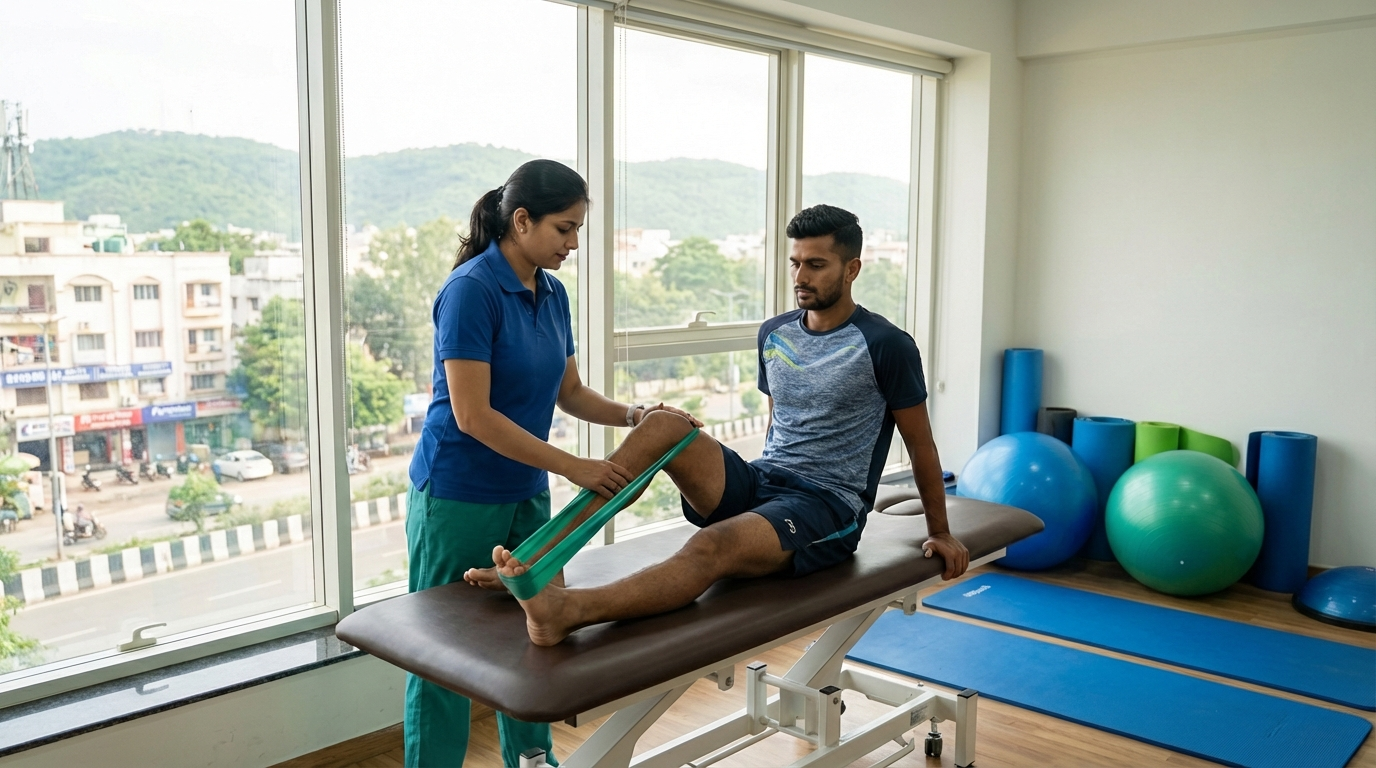
Not all headaches come from the head. Many originate in the neck and respond remarkably well to physiotherapy. Learn when physio helps and what techniques are most effective.
Headaches and the Neck Connection
A significant proportion of people presenting with headaches, particularly those located at the back of the skull, temples, or above the eyes, have a cervicogenic component. Cervicogenic headache originates from the cervical spine and upper neck musculature, not from the brain itself. It is estimated that cervicogenic headaches account for 15 - 20% of all chronic headache presentations, yet many are misdiagnosed and treated with medication rather than physiotherapy.
Types of Headaches That Respond to Physiotherapy
Cervicogenic Headache
Arising from the upper cervical facet joints, suboccipital muscles, and upper cervical nerve roots. Typically one-sided, beginning at the neck or base of skull, and worsened by neck movement or sustained postures. Responds excellently to cervical physiotherapy.
Tension-Type Headache
The most common headache type, a bilateral pressing or tightening sensation associated with muscle tension in the neck, scalp, and jaw. Physiotherapy addressing cervical dysfunction and trigger points in the upper trapezius, sternocleidomastoid, and suboccipital muscles produces significant relief.
Migraine (Cervical Component)
Many migraines have an associated cervical contribution, particularly those triggered by neck stiffness, certain head positions, or stress-related muscle tension. Physiotherapy does not cure migraine but can reduce frequency and severity by addressing the cervical trigger component.
Physiotherapy Techniques for Headache
Upper Cervical Joint Mobilisation
Mobilisation of the C1/C2 and C2/C3 facet joints, the primary pain-referral joints for cervicogenic headache, is the most evidence-based physiotherapy intervention for this headache type. A Cochrane review found cervical mobilisation superior to medication for cervicogenic headache.
Trigger Point Dry Needling
Dry needling of suboccipital, upper trapezius, and sternocleidomastoid trigger points significantly reduces headache frequency and intensity in both tension-type and cervicogenic headache. Often provides more rapid relief than exercise alone.
Deep Neck Flexor Strengthening
Weakness of the deep cervical flexors (longus colli) is associated with increased headache frequency. Progressive strengthening of these muscles, combined with postural correction, addresses a key perpetuating factor of chronic cervicogenic and tension headache.
Postural Correction and Ergonomics
Forward head posture dramatically increases the load on upper cervical structures and is a major driver of cervicogenic and tension headache. Postural correction exercises and workplace ergonomic advice are essential components of headache physiotherapy.
What Physiotherapy Cannot Treat
Physiotherapy is not a treatment for true vascular migraine without cervical contribution, cluster headaches, or secondary headaches from intracranial pathology. Physiotherapy assessment should always include screening for red flag symptoms requiring urgent medical assessment, sudden severe headache ("thunderclap"), headache with fever/neck stiffness, headache with neurological deficit, or new headache in patients over fifty years.
Practical Recovery Roadmap and Self-Management
A strong physiotherapy outcome depends on what happens between sessions as much as what happens inside the clinic. Patients who recover fastest usually follow a clear daily structure: symptom-guided activity, consistent home exercise, deliberate sleep hygiene, hydration, and timely follow-up. This approach keeps tissues moving, reduces fear of movement, and helps the nervous system settle. In practical terms, your plan should be realistic enough to sustain for weeks, not just for two motivated days.
Most conditions improve in phases rather than in a straight line. Early progress may look like better sleep, less morning stiffness, and shorter pain episodes before dramatic pain reduction appears. That is normal and expected. Tracking simple markers, such as pain score, walking tolerance, sitting time, and confidence with daily tasks, gives a clearer picture than pain alone. At The RNB Clinic, we teach patients to look for functional wins because function is the most reliable predictor of durable recovery.
Home Routine That Supports Clinic Treatment
- Complete the prescribed exercise plan at least five days per week with controlled, pain-limited progression
- Use work-break cycles: stand, stretch, and reset posture every 30 to 45 minutes during desk tasks
- Prioritise sleep quality and recovery nutrition to improve tissue repair and reduce pain sensitivity
- Avoid boom-bust patterns where overactivity on good days triggers severe flare-ups on the next day
- Review technique with your physiotherapist regularly so exercises remain accurate and effective
Another critical principle is pacing. Many people either avoid movement completely or push too hard when symptoms dip. Both extremes can delay healing. Pacing means doing the right amount consistently and increasing load in small, planned steps. This is especially important for chronic pain, tendinopathy, and post-surgical rehabilitation where tissue adaptation takes time. When patients combine paced progression with supervision, outcomes are usually better and recurrence rates are lower.
Finally, education is treatment. Understanding why your symptoms behave a certain way reduces anxiety and improves adherence. When you know which discomfort is acceptable and which warning signs need review, you move with confidence instead of fear. That confidence changes behaviour, and behaviour changes outcomes. Physiotherapy works best when manual therapy, exercise, and patient education are integrated into one coherent plan tailored to your goals, work demands, and lifestyle.
Frequently Asked Questions
Take the next step
Ready to Start Your Treatment?
Book a consultation with our expert physiotherapists. No referral needed.
Book AppointmentRelated Articles

Parkinson’s Walking Difficulties: Your Physio Assessment
Learn what to share at a physiotherapy assessment for Parkinson’s, from freezing and falls to medicine timing and everyday walking goals.
Achilles Tendon Pain When Walking: Your Physio Assessment
Learn what to share at your physiotherapy assessment, what may be checked, and which Achilles tendon symptoms need urgent medical attention.

Physiotherapy for Jaw Pain: What to Expect at a TMJ Assessment
Find out what a jaw assessment involves, how physiotherapy may help, and when jaw pain needs dental or medical attention.