
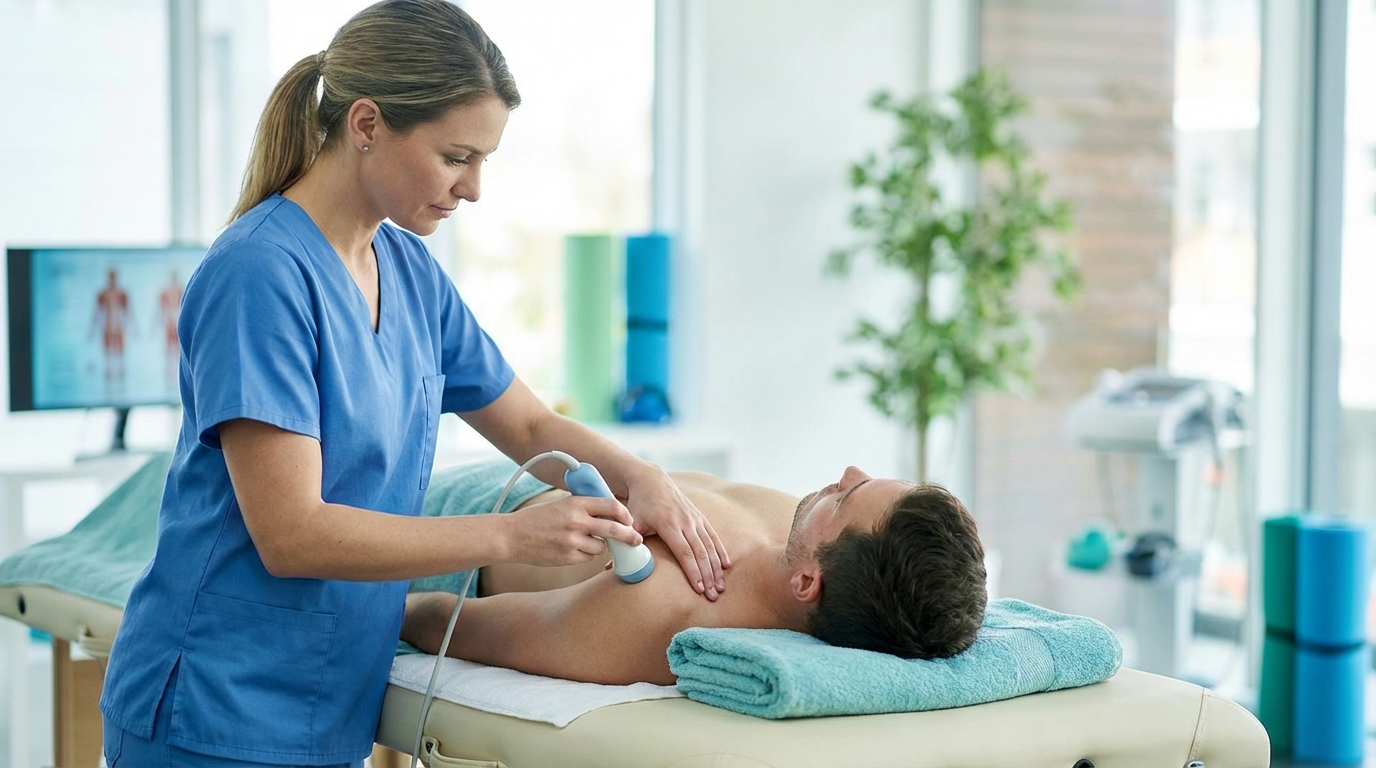
Pregnancy causes significant changes to posture and musculoskeletal load. Learn how physiotherapy keeps you pain-free and active throughout every trimester.
How Pregnancy Affects the Musculoskeletal System
Pregnancy causes profound changes to posture, biomechanics, and tissue properties. The growing uterus shifts the centre of gravity forward, increasing lumbar lordosis and placing greater demand on the lower back and pelvis. The hormone relaxin, which peaks in the first trimester, increases ligamentous laxity throughout the body, making joints less stable.
As a result, up to 70% of pregnant women experience lower back pain, 20% experience pelvic girdle pain (PGP), and many experience carpal tunnel syndrome, sciatica, and posture-related upper back and neck pain. Physiotherapy is safe, effective, and often provides the only drug-free relief available during pregnancy.
Pelvic Girdle Pain in Pregnancy
Pelvic girdle pain, pain in the sacroiliac joints, pubic symphysis, or hip region, affects up to one in five pregnant women. It can range from mild discomfort to severe disability. Physiotherapy treatment includes:
- Pelvic stabilisation exercises targeting deep gluteal and pelvic floor muscles
- Sacroiliac joint support belt
- Manual therapy, gentle sacroiliac and pubic symphysis mobilisation
- Activity modification, avoiding aggravating positions (wide leg movements, stairs)
- Postural advice and core activation
Safe Exercises During Pregnancy
Pelvic Floor Exercises (Kegels)
Pelvic floor exercises should be performed throughout pregnancy to strengthen the muscles supporting the uterus, bladder, and bowel. Contract the pelvic floor muscles (as if stopping urination), hold for ten seconds, and release. Perform three sets of ten repetitions daily. These reduce the risk of urinary incontinence during pregnancy and aid post-natal recovery.
Walking and Low-Impact Aerobic Exercise
Walking, swimming, and stationary cycling are excellent low-impact aerobic exercises safe throughout all trimesters (unless medically contraindicated). Maintain a moderate intensity, able to hold a conversation. Aim for thirty minutes most days.
Pregnancy Cat-Cow Stretch
On hands and knees, gently arch the lower back (cow position) and then round it (cat position). Move slowly and within comfort. This relieves lumbar muscle tension and maintains spinal mobility, safe in all trimesters.
Supported Squats
Squats strengthen the legs, glutes, and pelvic floor while improving hip mobility for labour. Hold onto a stable surface for balance. Feet shoulder-width apart, squat to a comfortable depth. Perform ten to fifteen repetitions.
Exercises to Avoid During Pregnancy
- Exercises lying flat on the back after the first trimester (reduces blood flow from inferior vena cava)
- High-impact exercise and contact sports
- Deep abdominal crunches and sit-ups
- Exercises involving balance challenges in late pregnancy (fall risk)
- Exercises with breath-holding (Valsalva manoeuvre), increases intra-abdominal pressure
Post-Natal Physiotherapy
Post-natal physiotherapy is equally important. Pelvic floor rehabilitation after delivery, diastasis recti (abdominal separation) assessment and exercise, scar management after caesarean delivery, and gradual return to exercise are all within the physiotherapy scope, and often neglected aspects of maternity care.
Practical Recovery Roadmap and Self-Management
A strong physiotherapy outcome depends on what happens between sessions as much as what happens inside the clinic. Patients who recover fastest usually follow a clear daily structure: symptom-guided activity, consistent home exercise, deliberate sleep hygiene, hydration, and timely follow-up. This approach keeps tissues moving, reduces fear of movement, and helps the nervous system settle. In practical terms, your plan should be realistic enough to sustain for weeks, not just for two motivated days.
Most conditions improve in phases rather than in a straight line. Early progress may look like better sleep, less morning stiffness, and shorter pain episodes before dramatic pain reduction appears. That is normal and expected. Tracking simple markers, such as pain score, walking tolerance, sitting time, and confidence with daily tasks, gives a clearer picture than pain alone. At The RNB Clinic, we teach patients to look for functional wins because function is the most reliable predictor of durable recovery.
Home Routine That Supports Clinic Treatment
- Complete the prescribed exercise plan at least five days per week with controlled, pain-limited progression
- Use work-break cycles: stand, stretch, and reset posture every 30 to 45 minutes during desk tasks
- Prioritise sleep quality and recovery nutrition to improve tissue repair and reduce pain sensitivity
- Avoid boom-bust patterns where overactivity on good days triggers severe flare-ups on the next day
- Review technique with your physiotherapist regularly so exercises remain accurate and effective
Another critical principle is pacing. Many people either avoid movement completely or push too hard when symptoms dip. Both extremes can delay healing. Pacing means doing the right amount consistently and increasing load in small, planned steps. This is especially important for chronic pain, tendinopathy, and post-surgical rehabilitation where tissue adaptation takes time. When patients combine paced progression with supervision, outcomes are usually better and recurrence rates are lower.
Finally, education is treatment. Understanding why your symptoms behave a certain way reduces anxiety and improves adherence. When you know which discomfort is acceptable and which warning signs need review, you move with confidence instead of fear. That confidence changes behaviour, and behaviour changes outcomes. Physiotherapy works best when manual therapy, exercise, and patient education are integrated into one coherent plan tailored to your goals, work demands, and lifestyle.
Frequently Asked Questions
Take the next step
Ready to Start Your Treatment?
Book a consultation with our expert physiotherapists. No referral needed.
Book AppointmentRelated Articles

When Physiotherapy Exercises Feel Too Difficult
Learn what to record when exercises feel too hard, when to stop, and what to discuss with your physiotherapist at your next visit.
Constipation and Pelvic Floor Physio: Your First Visit
Learn what to ask about constipation, pelvic floor assessment, consent and treatment at your first physiotherapy appointment.
Pelvic Organ Prolapse: Your First Physiotherapy Assessment
Learn what to expect, what to bring and how consent guides your first physiotherapy assessment for pelvic organ prolapse.