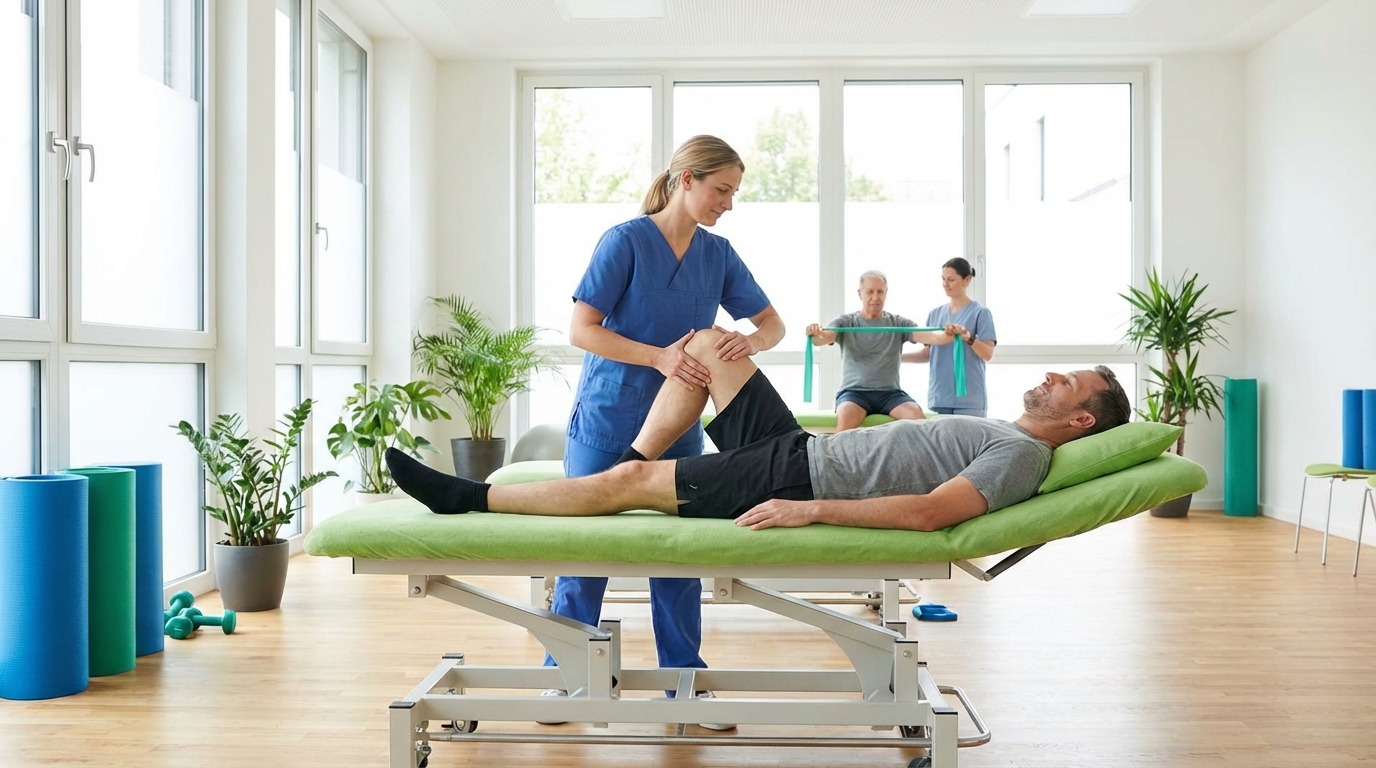
Stroke is a leading cause of disability, but expert physiotherapy rehabilitation can restore remarkable levels of movement and independence after brain injury.
The Impact of Stroke
Stroke is one of the leading causes of death and long-term disability worldwide, affecting approximately 15 million people annually. A stroke occurs when blood supply to part of the brain is interrupted, either by a clot (ischaemic) or bleeding (haemorrhagic), causing brain cells to die within minutes. The consequences can include weakness or paralysis, speech difficulties, cognitive impairment, and loss of independence.
The remarkable capacity of the brain to reorganise itself, neuroplasticity, forms the scientific basis for stroke rehabilitation. With intensive, repetitive, task-specific physiotherapy, the brain can form new neural pathways and recover function that was initially lost.
How Soon Should Stroke Rehabilitation Begin?
Early rehabilitation is critical. Current guidelines recommend that stroke physiotherapy begins within 24 to 48 hours of stroke onset, provided the patient is medically stable. Early intervention reduces complications including pneumonia, deep vein thrombosis, muscle contracture, and pressure ulcers, while maximising the brain's neuroplastic potential.
What Does Stroke Physiotherapy Involve?
Task-Specific Training
The most effective approach to stroke recovery is repetitive practice of meaningful functional tasks, walking, reaching, sitting, and standing. The brain's motor cortex reorganises most effectively in response to high-repetition, goal-directed movement. Your physiotherapist designs tasks that are challenging but achievable.
Gait Re-Education
Re-learning to walk is a priority for most stroke survivors. Physiotherapists use supported gait training, parallel bars, treadmills with harness support, and ankle-foot orthoses to facilitate early walking. Progressive challenges are introduced as balance and strength improve.
Upper Limb Rehabilitation
Restoring arm and hand function after stroke requires specific upper limb exercise programmes, constraint-induced movement therapy (CIMT, restraining the unaffected arm to force use of the affected arm), and hand function training.
Balance and Fall Prevention
Balance impairment is universal after stroke. Specific balance training on progressively challenging surfaces, vestibular exercises, and functional movement practice significantly reduces fall risk, a major source of secondary injury in stroke survivors.
Spasticity Management
Spasticity, increased muscle tone and stiffness, commonly develops weeks to months after stroke. Physiotherapy techniques including stretching, positioning, splinting, and functional electrical stimulation manage spasticity and prevent contracture.
Realistic Expectations After Stroke
Recovery after stroke is highly individual and depends on the severity and location of the brain injury, time to treatment, intensity of rehabilitation, and patient factors including age and co-morbidities. The greatest recovery occurs in the first three to six months, but meaningful improvement continues for years with consistent rehabilitation. The goals of physiotherapy evolve from basic function to independence, to community participation, and ultimately to quality of life.
Practical Recovery Roadmap and Self-Management
A strong physiotherapy outcome depends on what happens between sessions as much as what happens inside the clinic. Patients who recover fastest usually follow a clear daily structure: symptom-guided activity, consistent home exercise, deliberate sleep hygiene, hydration, and timely follow-up. This approach keeps tissues moving, reduces fear of movement, and helps the nervous system settle. In practical terms, your plan should be realistic enough to sustain for weeks, not just for two motivated days.
Most conditions improve in phases rather than in a straight line. Early progress may look like better sleep, less morning stiffness, and shorter pain episodes before dramatic pain reduction appears. That is normal and expected. Tracking simple markers, such as pain score, walking tolerance, sitting time, and confidence with daily tasks, gives a clearer picture than pain alone. At The RNB Clinic, we teach patients to look for functional wins because function is the most reliable predictor of durable recovery.
Home Routine That Supports Clinic Treatment
- Complete the prescribed exercise plan at least five days per week with controlled, pain-limited progression
- Use work-break cycles: stand, stretch, and reset posture every 30 to 45 minutes during desk tasks
- Prioritise sleep quality and recovery nutrition to improve tissue repair and reduce pain sensitivity
- Avoid boom-bust patterns where overactivity on good days triggers severe flare-ups on the next day
- Review technique with your physiotherapist regularly so exercises remain accurate and effective
Another critical principle is pacing. Many people either avoid movement completely or push too hard when symptoms dip. Both extremes can delay healing. Pacing means doing the right amount consistently and increasing load in small, planned steps. This is especially important for chronic pain, tendinopathy, and post-surgical rehabilitation where tissue adaptation takes time. When patients combine paced progression with supervision, outcomes are usually better and recurrence rates are lower.
Finally, education is treatment. Understanding why your symptoms behave a certain way reduces anxiety and improves adherence. When you know which discomfort is acceptable and which warning signs need review, you move with confidence instead of fear. That confidence changes behaviour, and behaviour changes outcomes. Physiotherapy works best when manual therapy, exercise, and patient education are integrated into one coherent plan tailored to your goals, work demands, and lifestyle.
Frequently Asked Questions
Take the next step
Ready to Start Your Treatment?
Book a consultation with our expert physiotherapists. No referral needed.
Book AppointmentRelated Articles
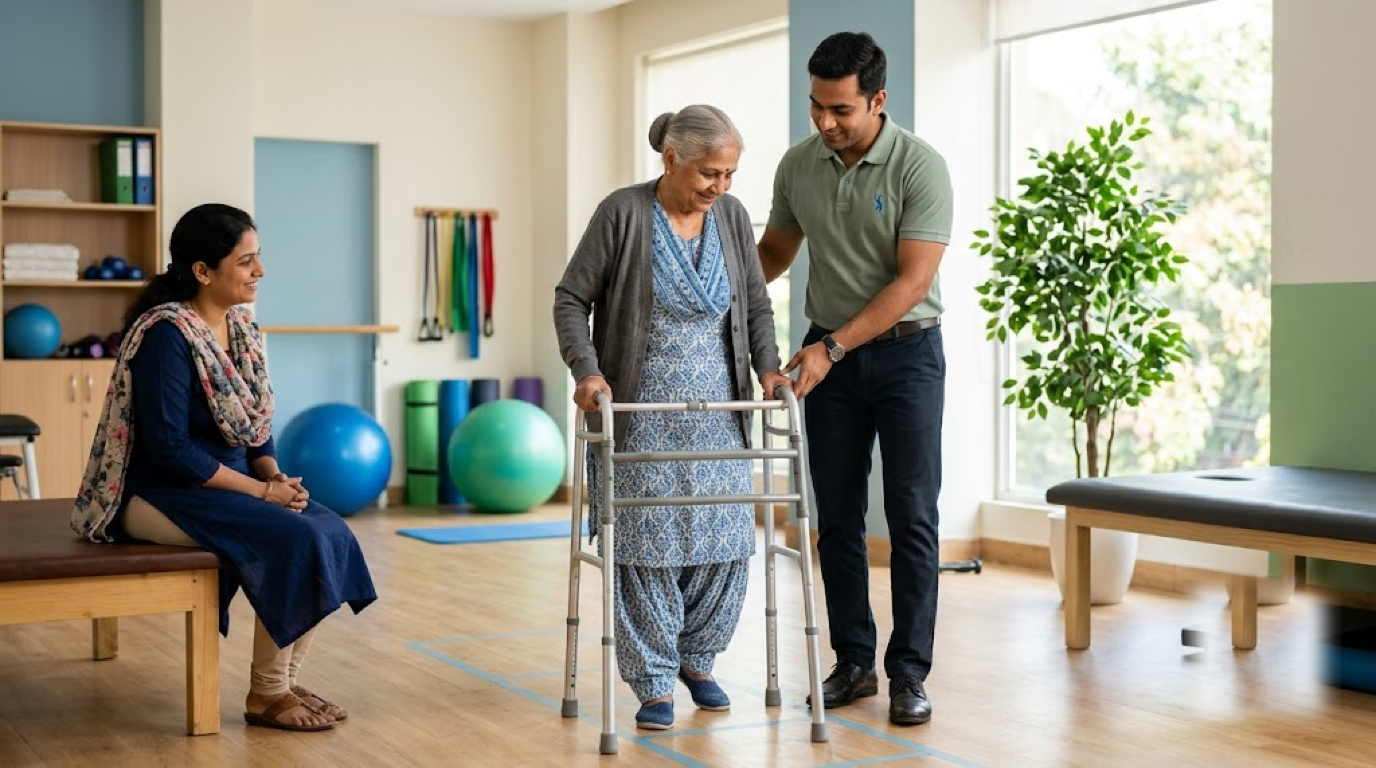
Parkinson’s Walking Difficulties: Your Physio Assessment
Learn what to share at a physiotherapy assessment for Parkinson’s, from freezing and falls to medicine timing and everyday walking goals.
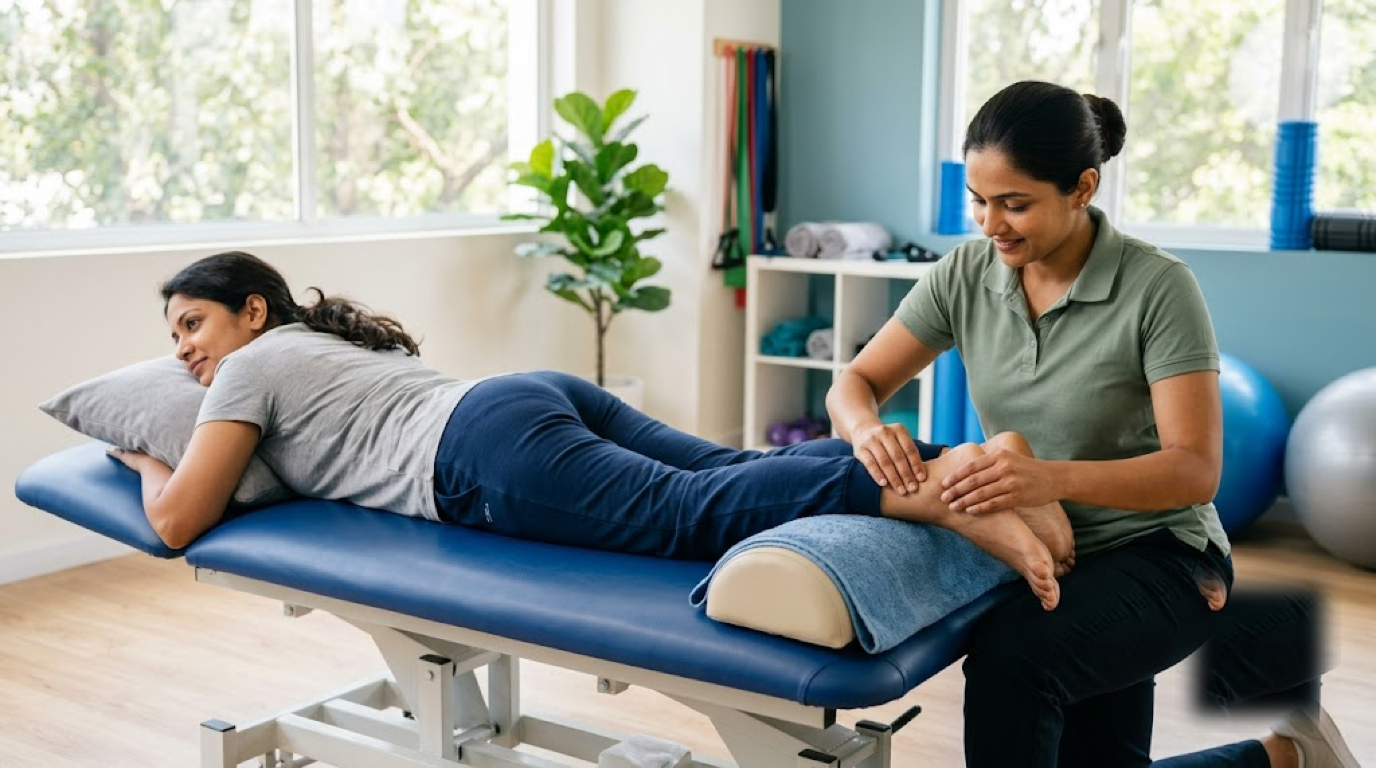
Achilles Tendon Pain When Walking: Your Physio Assessment
Learn what to share at your physiotherapy assessment, what may be checked, and which Achilles tendon symptoms need urgent medical attention.
Physiotherapy for Jaw Pain: What to Expect at a TMJ Assessment
Find out what a jaw assessment involves, how physiotherapy may help, and when jaw pain needs dental or medical attention.