
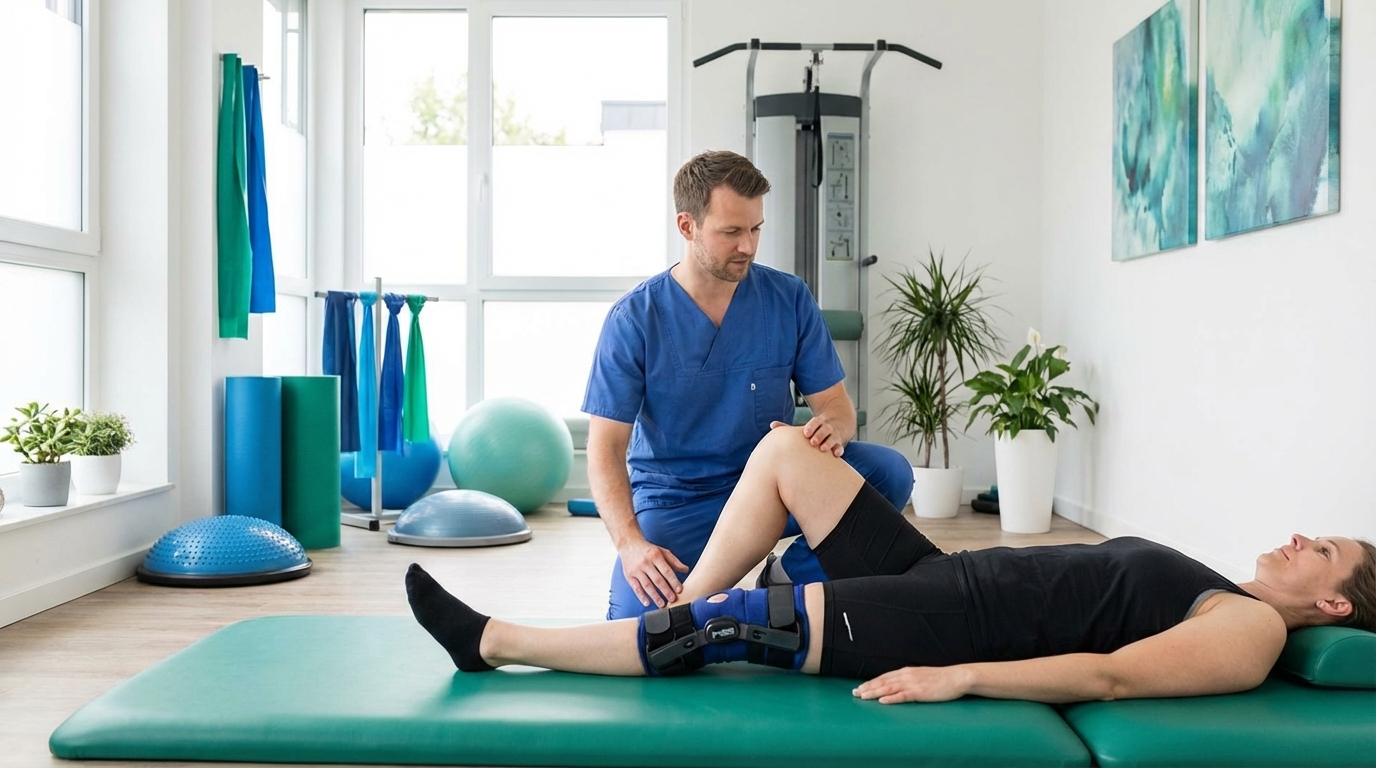
Tennis elbow is a painful overuse condition that can persist for months without proper treatment. Discover why physiotherapy, not cortisone, is the superior long-term solution.
What Is Tennis Elbow?
Tennis elbow, medically termed lateral epicondylitis or, more accurately, lateral epicondylalgia, is a common overuse condition causing pain on the outer side of the elbow. Despite its name, only 5% of cases are tennis-related; it is far more common in office workers, tradespeople, and anyone who performs repetitive gripping or wrist extension activities.
The condition involves degeneration and micro-tearing of the extensor carpi radialis brevis (ECRB) tendon at its attachment to the lateral epicondyle of the humerus, not primarily an inflammatory process, which is why anti-inflammatory injections often provide only temporary relief.
Why Cortisone Injections Are Not the Answer
Cortisone (corticosteroid) injections are commonly offered for tennis elbow and provide dramatic short-term pain relief. However, multiple randomised controlled trials have demonstrated that:
- Cortisone is superior at 6 weeks, but inferior to physiotherapy at 12 and 52 weeks
- High recurrence rates after cortisone injection, up to 72% within a year
- Repeated cortisone injections increase the risk of tendon rupture
- Patients who had cortisone injections had poorer long-term outcomes than those who received physiotherapy or no treatment
- Cortisone does not address the tendon degeneration driving the condition
Evidence-Based Physiotherapy for Tennis Elbow
Eccentric and Isometric Exercise
High-load eccentric exercise, slowly lowering a weight through the wrist extension range, directly stimulates tendon collagen remodelling and healing. This is now the gold standard exercise intervention for tendinopathy. Isometric exercise (sustained muscle contraction without movement) also provides immediate pain relief through cortical inhibition.
Manual Therapy
Specific elbow manual therapy techniques, particularly lateral elbow mobilisation with movement (Mulligan's MWM), provide significant, immediate pain relief and restore pain-free grip strength. A physiotherapist applies a lateral glide to the elbow joint while the patient performs gripping, creating an immediate shift in pain-free function.
Dry Needling
Dry needling of the ECRB muscle and tendon trigger points reduces local muscle tension, stimulates healing, and provides pain relief. It is an effective adjunct to exercise and manual therapy for tennis elbow.
Wrist and Forearm Muscle Strengthening
Progressive strengthening of the wrist extensor muscle group, from isometric through concentric to eccentric loading, reloads and rehabilitates the tendon. This is the most important long-term intervention for full recovery and prevention of recurrence.
Activity Modification and Return to Activity
Temporary modification of aggravating activities, reducing sustained gripping, vibrating tool use, and backhand-pattern movements, allows the tendon to recover while progressive loading is introduced through physiotherapy exercise. A counterforce elbow strap can reduce tendon load during activities.
Prognosis
Approximately 90% of tennis elbow cases resolve within twelve months with physiotherapy. The condition is frustrating because it responds slowly, but a committed exercise programme under physiotherapy guidance leads to full recovery and significantly reduces recurrence compared to injections or rest alone.
Practical Recovery Roadmap and Self-Management
A strong physiotherapy outcome depends on what happens between sessions as much as what happens inside the clinic. Patients who recover fastest usually follow a clear daily structure: symptom-guided activity, consistent home exercise, deliberate sleep hygiene, hydration, and timely follow-up. This approach keeps tissues moving, reduces fear of movement, and helps the nervous system settle. In practical terms, your plan should be realistic enough to sustain for weeks, not just for two motivated days.
Most conditions improve in phases rather than in a straight line. Early progress may look like better sleep, less morning stiffness, and shorter pain episodes before dramatic pain reduction appears. That is normal and expected. Tracking simple markers, such as pain score, walking tolerance, sitting time, and confidence with daily tasks, gives a clearer picture than pain alone. At The RNB Clinic, we teach patients to look for functional wins because function is the most reliable predictor of durable recovery.
Home Routine That Supports Clinic Treatment
- Complete the prescribed exercise plan at least five days per week with controlled, pain-limited progression
- Use work-break cycles: stand, stretch, and reset posture every 30 to 45 minutes during desk tasks
- Prioritise sleep quality and recovery nutrition to improve tissue repair and reduce pain sensitivity
- Avoid boom-bust patterns where overactivity on good days triggers severe flare-ups on the next day
- Review technique with your physiotherapist regularly so exercises remain accurate and effective
Another critical principle is pacing. Many people either avoid movement completely or push too hard when symptoms dip. Both extremes can delay healing. Pacing means doing the right amount consistently and increasing load in small, planned steps. This is especially important for chronic pain, tendinopathy, and post-surgical rehabilitation where tissue adaptation takes time. When patients combine paced progression with supervision, outcomes are usually better and recurrence rates are lower.
Finally, education is treatment. Understanding why your symptoms behave a certain way reduces anxiety and improves adherence. When you know which discomfort is acceptable and which warning signs need review, you move with confidence instead of fear. That confidence changes behaviour, and behaviour changes outcomes. Physiotherapy works best when manual therapy, exercise, and patient education are integrated into one coherent plan tailored to your goals, work demands, and lifestyle.
Frequently Asked Questions
Take the next step
Ready to Start Your Treatment?
Book a consultation with our expert physiotherapists. No referral needed.
Book AppointmentRelated Articles

When Physiotherapy Exercises Feel Too Difficult
Learn what to record when exercises feel too hard, when to stop, and what to discuss with your physiotherapist at your next visit.

Constipation and Pelvic Floor Physio: Your First Visit
Learn what to ask about constipation, pelvic floor assessment, consent and treatment at your first physiotherapy appointment.

Pelvic Organ Prolapse: Your First Physiotherapy Assessment
Learn what to expect, what to bring and how consent guides your first physiotherapy assessment for pelvic organ prolapse.