
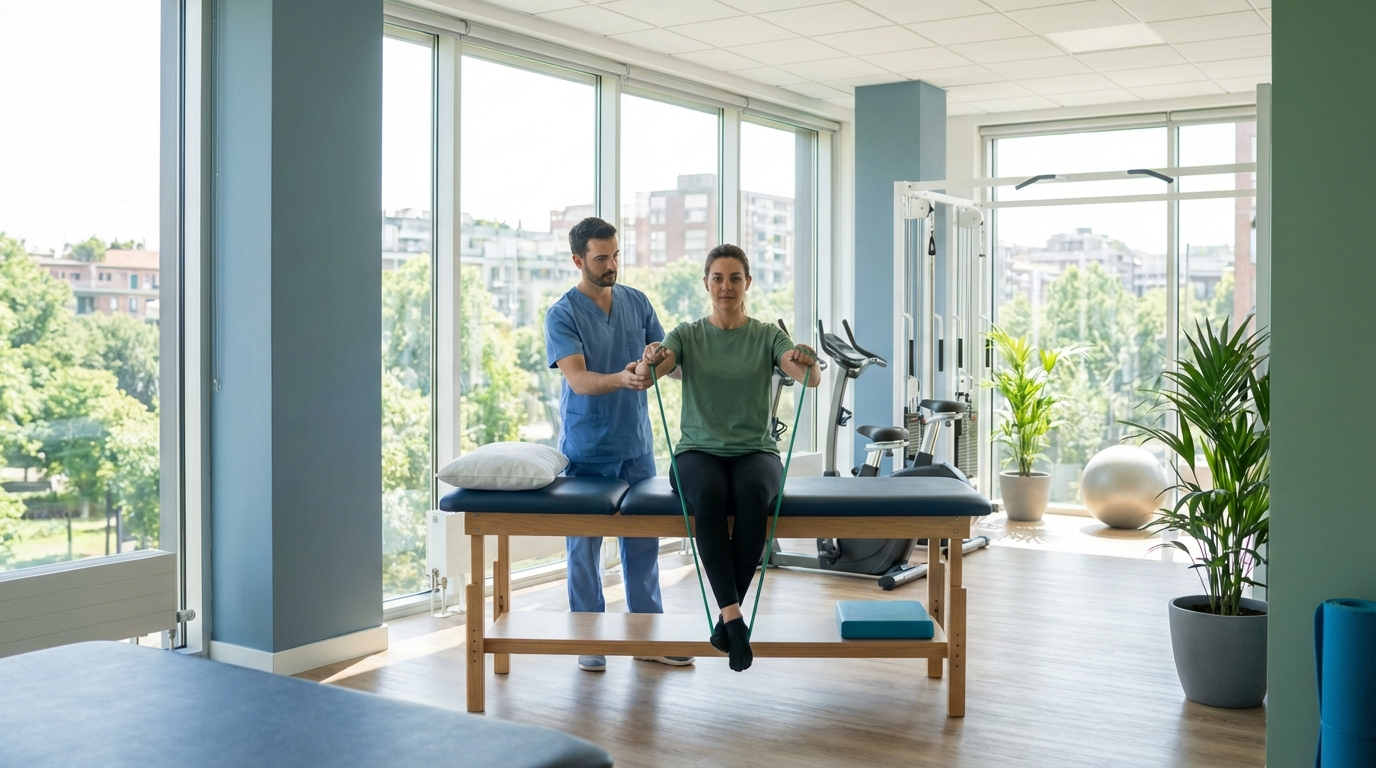
Physiotherapy breathing techniques can dramatically improve quality of life for COPD and respiratory patients. Learn the essential exercises and techniques.
The Role of Physiotherapy in Respiratory Conditions
Pulmonary rehabilitation, led by physiotherapists, is a cornerstone of COPD (Chronic Obstructive Pulmonary Disease) management. Breathing exercises, airway clearance techniques, and physical conditioning programmes significantly reduce breathlessness, hospital admissions, and mortality in COPD. For asthma, bronchiectasis, and post-COVID respiratory complications, physiotherapy provides essential tools for improved function and quality of life.
Core Breathing Techniques
Diaphragmatic Breathing
The diaphragm, the primary breathing muscle, is often underused in COPD patients, who rely excessively on accessory muscles of the neck and shoulders, leading to fatigue and inefficient breathing. Diaphragmatic breathing: lie with one hand on the chest, one on the abdomen. Breathe in slowly through the nose, the abdomen should rise, the chest should remain relatively still. Breathe out through pursed lips. This pattern optimises gas exchange and reduces the work of breathing.
Pursed Lip Breathing
Pursed lip breathing, breathing out slowly through partially closed lips (as if blowing out a candle), slows the breathing rate, increases airway pressure, and prevents premature small airway collapse. This is particularly effective for COPD breathlessness during activity and at rest.
Active Cycle of Breathing Techniques (ACBT)
ACBT is a three-phase technique for loosening and clearing excess mucus from the airways:
- Breathing control: gentle relaxed diaphragmatic breathing to rest
- Thoracic expansion exercises: deep slow breaths, with or without a three-second hold, to loosen mucus
- Forced expiration technique (FET or "huffing"): a sharp, forceful expiration to mobilise mucus to upper airways, followed by a cough to clear
Incentive Spirometry
Incentive spirometry devices provide visual feedback on breathing depth, encouraging deep inspiratory effort. Particularly useful after chest or abdominal surgery to prevent post-operative lung complications (atelectasis).
Physical Conditioning for COPD
Pulmonary rehabilitation includes supervised exercise training, walking, cycling, and upper limb exercise. Despite seeming counterintuitive, controlled exercise training significantly reduces breathlessness and improves functional capacity in COPD. Patients do less breathless exertion for the same activity level after training due to improved cardiovascular and muscular efficiency.
Energy Conservation and Activity Management
Physiotherapists teach energy conservation strategies, pacing activities, prioritising tasks, using efficient movement techniques, that allow COPD patients to perform more with less breathlessness. These practical skills significantly improve daily functioning and independence.
Practical Recovery Roadmap and Self-Management
A strong physiotherapy outcome depends on what happens between sessions as much as what happens inside the clinic. Patients who recover fastest usually follow a clear daily structure: symptom-guided activity, consistent home exercise, deliberate sleep hygiene, hydration, and timely follow-up. This approach keeps tissues moving, reduces fear of movement, and helps the nervous system settle. In practical terms, your plan should be realistic enough to sustain for weeks, not just for two motivated days.
Most conditions improve in phases rather than in a straight line. Early progress may look like better sleep, less morning stiffness, and shorter pain episodes before dramatic pain reduction appears. That is normal and expected. Tracking simple markers, such as pain score, walking tolerance, sitting time, and confidence with daily tasks, gives a clearer picture than pain alone. At The RNB Clinic, we teach patients to look for functional wins because function is the most reliable predictor of durable recovery.
Home Routine That Supports Clinic Treatment
- Complete the prescribed exercise plan at least five days per week with controlled, pain-limited progression
- Use work-break cycles: stand, stretch, and reset posture every 30 to 45 minutes during desk tasks
- Prioritise sleep quality and recovery nutrition to improve tissue repair and reduce pain sensitivity
- Avoid boom-bust patterns where overactivity on good days triggers severe flare-ups on the next day
- Review technique with your physiotherapist regularly so exercises remain accurate and effective
Another critical principle is pacing. Many people either avoid movement completely or push too hard when symptoms dip. Both extremes can delay healing. Pacing means doing the right amount consistently and increasing load in small, planned steps. This is especially important for chronic pain, tendinopathy, and post-surgical rehabilitation where tissue adaptation takes time. When patients combine paced progression with supervision, outcomes are usually better and recurrence rates are lower.
Finally, education is treatment. Understanding why your symptoms behave a certain way reduces anxiety and improves adherence. When you know which discomfort is acceptable and which warning signs need review, you move with confidence instead of fear. That confidence changes behaviour, and behaviour changes outcomes. Physiotherapy works best when manual therapy, exercise, and patient education are integrated into one coherent plan tailored to your goals, work demands, and lifestyle.
If your progress plateaus, that does not mean treatment has failed. It usually means the plan needs recalibration: load adjustment, technique correction, or a different progression strategy. Regular reassessment helps identify these small bottlenecks early. With timely modifications, most patients regain momentum and continue improving in a safe, predictable way while building long-term confidence in movement.
Frequently Asked Questions
Take the next step
Ready to Start Your Treatment?
Book a consultation with our expert physiotherapists. No referral needed.
Book AppointmentRelated Articles

When Physiotherapy Exercises Feel Too Difficult
Learn what to record when exercises feel too hard, when to stop, and what to discuss with your physiotherapist at your next visit.
Constipation and Pelvic Floor Physio: Your First Visit
Learn what to ask about constipation, pelvic floor assessment, consent and treatment at your first physiotherapy appointment.
Pelvic Organ Prolapse: Your First Physiotherapy Assessment
Learn what to expect, what to bring and how consent guides your first physiotherapy assessment for pelvic organ prolapse.