

When Physiotherapy Exercises Feel Too Difficult
Learn what to record when exercises feel too hard, when to stop, and what to discuss with your physiotherapist at your next visit.
· 4 min read
Read →Tag
Learn what to record when exercises feel too hard, when to stop, and what to discuss with your physiotherapist at your next visit.

Learn what to ask about constipation, pelvic floor assessment, consent and treatment at your first physiotherapy appointment.

Learn what to expect, what to bring and how consent guides your first physiotherapy assessment for pelvic organ prolapse.

A little preparation can help your video physiotherapy visit run smoothly. Here’s what to set up, wear and keep ready.

Explore how physiotherapy can support people with fibromyalgia through manageable movement, fatigue-aware pacing and meaningful activity goals.
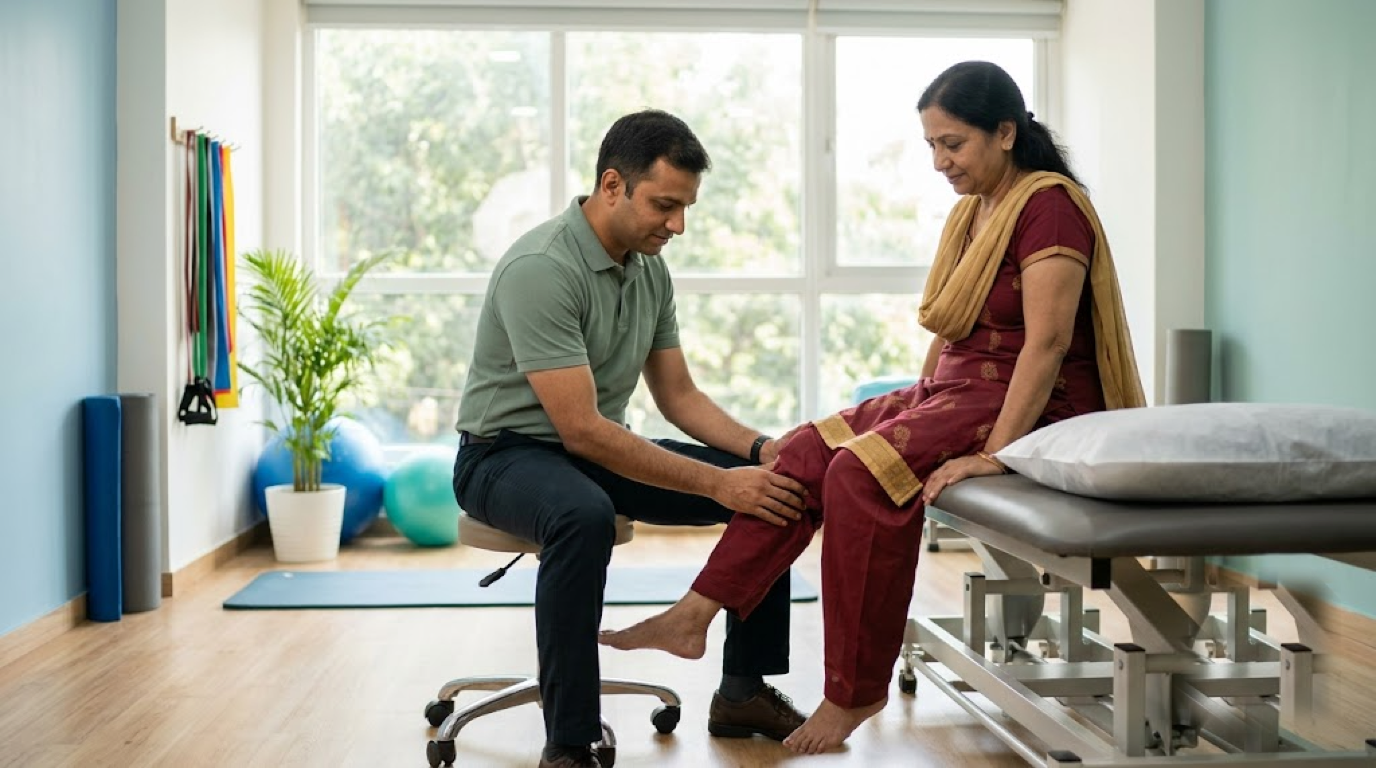
Have unusually flexible joints or recurring aches? Learn what to share, what an assessment may involve, and which questions to ask your physiotherapist.

Practical ways to prepare for physiotherapy with hearing loss, share your communication needs and leave with clear exercise instructions.

Returning home after a long hospital stay can feel challenging. Here are questions to ask about walking, stairs, fatigue and everyday tasks.

Learn how physiotherapy can support safer transfers, wheelchair use and everyday mobility after a spinal cord injury.

Understand sets, repetitions and rest, and learn what to ask your physiotherapist so your home exercise routine feels clearer.

Learn how a family member can support your physiotherapy, ask useful questions and help at home while respecting your comfort and independence.

From climbing stairs to playing with your children, meaningful physiotherapy goals start with the everyday activities you want to do.

Sore near the base of your thumb when lifting or feeding your baby? Learn what to discuss at physiotherapy and when to seek medical help.

Sore when sitting or getting up? Learn what to share at a physiotherapy assessment, what to expect, and when to seek medical help.
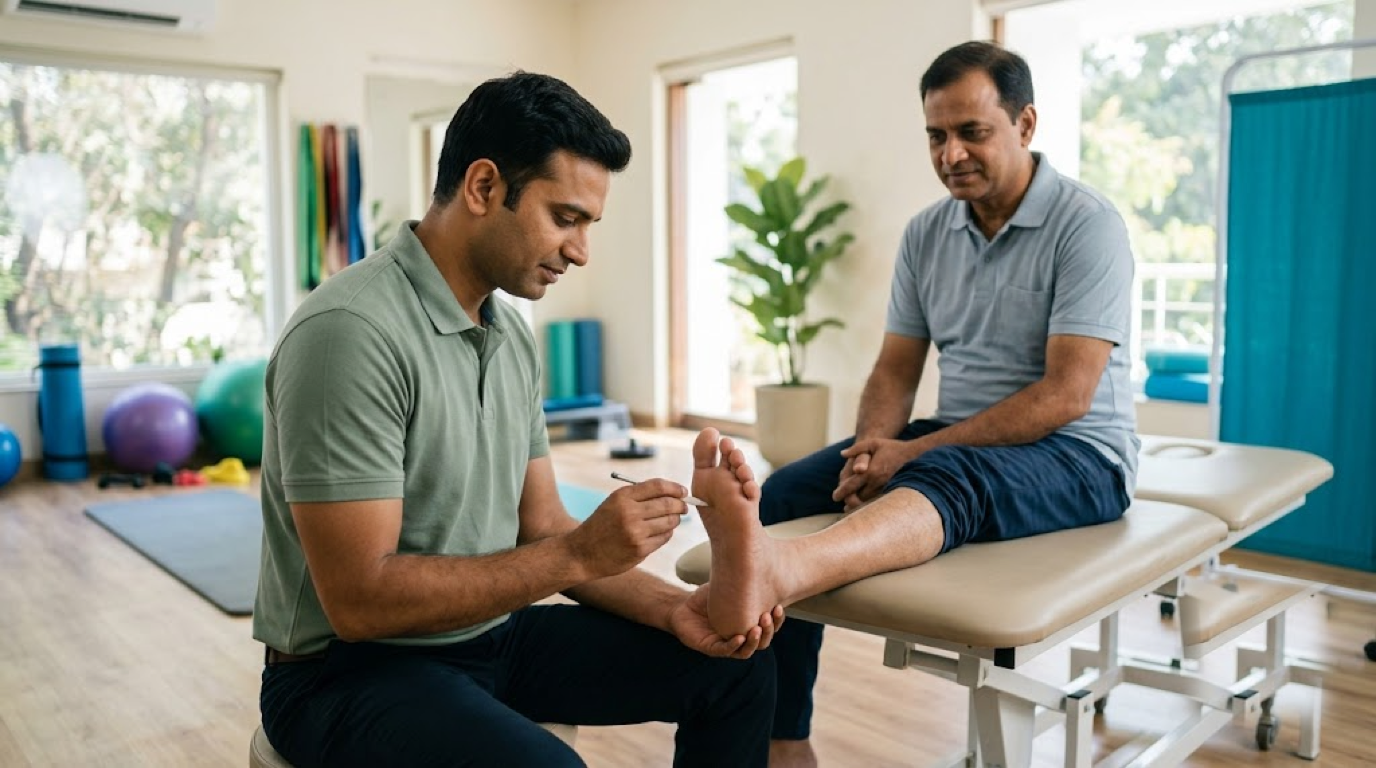
Learn what to bring, what your physiotherapist may check, and which foot changes need medical attention before your appointment.

Learn what to ask about walking-stick height, grip, safe use and everyday comfort, so your physiotherapist can help you find suitable support.

Learn how to plan work duties, regular breaks and a gradual return after injury with support from your physiotherapist.

Know what to ask about shoulder pain, scans, exercises and next steps so you can make informed decisions at your physiotherapy assessment.

Living with osteoporosis? Learn what to ask your physiotherapist about walking, lifting, balance and moving confidently through daily life.

Learn how to break chores into manageable steps, plan pauses and discuss a flexible activity-pacing approach with your physiotherapist.

Skin tightness after a burn can affect everyday movement. Learn what to ask about exercises, scar care and when to seek medical advice.

Learn what to practise with your physiotherapist to make getting up from the floor more manageable, and when to stay still and call for help.
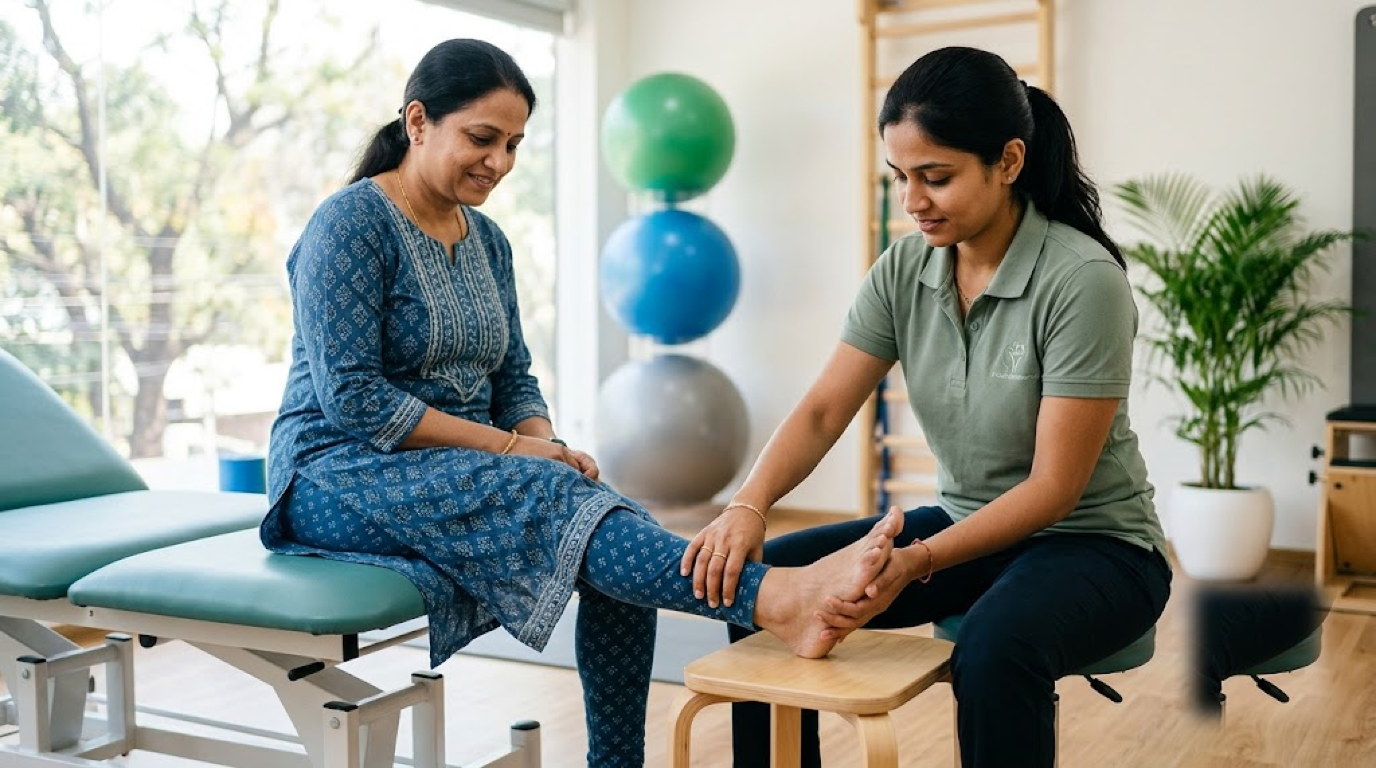
Unsure when you can drive after an injury? These questions can help you discuss movement, medication and readiness with your physiotherapist.

Ask your physiotherapist about balance, walking practice, prosthetic fit and everyday safety as you learn to move with a prosthetic leg.

Learn what to tell your physiotherapist about night-time hip pain, what an assessment may involve, and when to seek medical help.
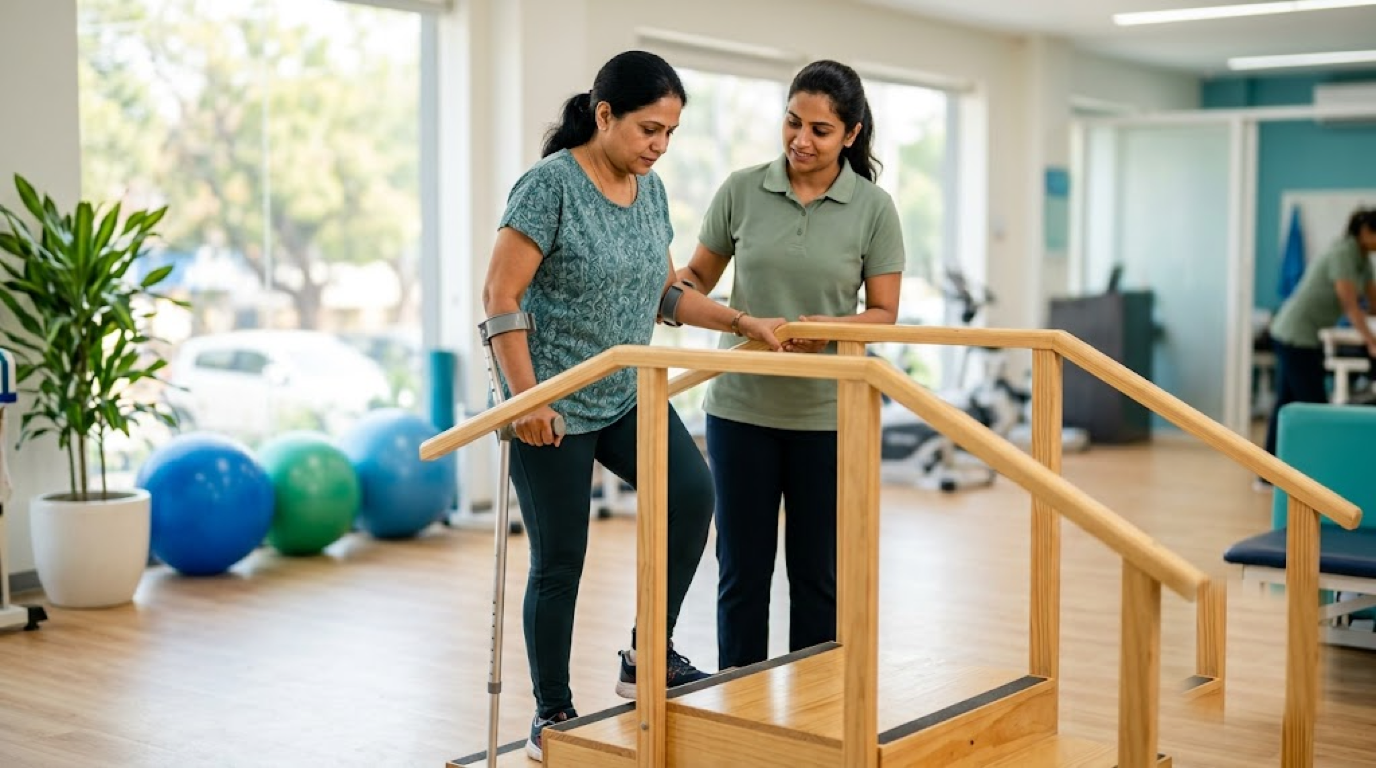
Learn what to practise with your physiotherapist before using crutches on stairs, from weight-bearing rules to handrails and safe support.

Finger catching, clicking or locking? Learn what to ask about assessment, exercises, splints and when further medical care may help.

Unsure when to walk after an ankle sprain? Learn what to ask about pain, swelling, support and returning to everyday routes with confidence.
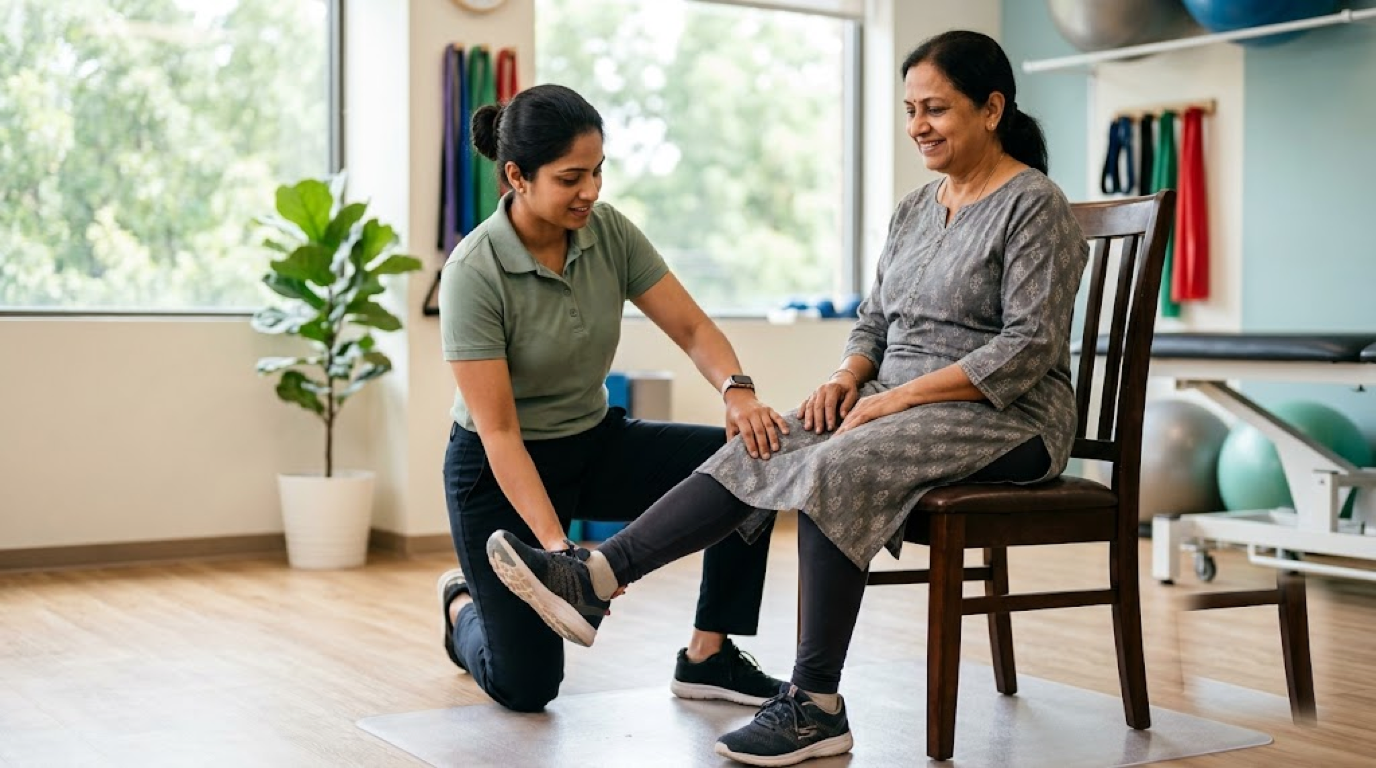
Simple tips to prepare a clear, comfortable space for home physiotherapy, choose stable support, and follow your exercises safely.

Getting ready for physiotherapy? Here is a simple guide to comfortable clothing, useful documents and what to bring to your appointment.

A simple exercise diary helps you record your routine, symptoms and everyday progress so you can discuss them at your next physiotherapy appointment.

Learn what to ask about facial weakness, eye protection, gentle rehabilitation and recovery at your physiotherapy assessment.

What to bring, what to wear and what to expect at your first physiotherapy assessment for lymphoedema.

Learn what to share at a physiotherapy assessment for Parkinson’s, from freezing and falls to medicine timing and everyday walking goals.
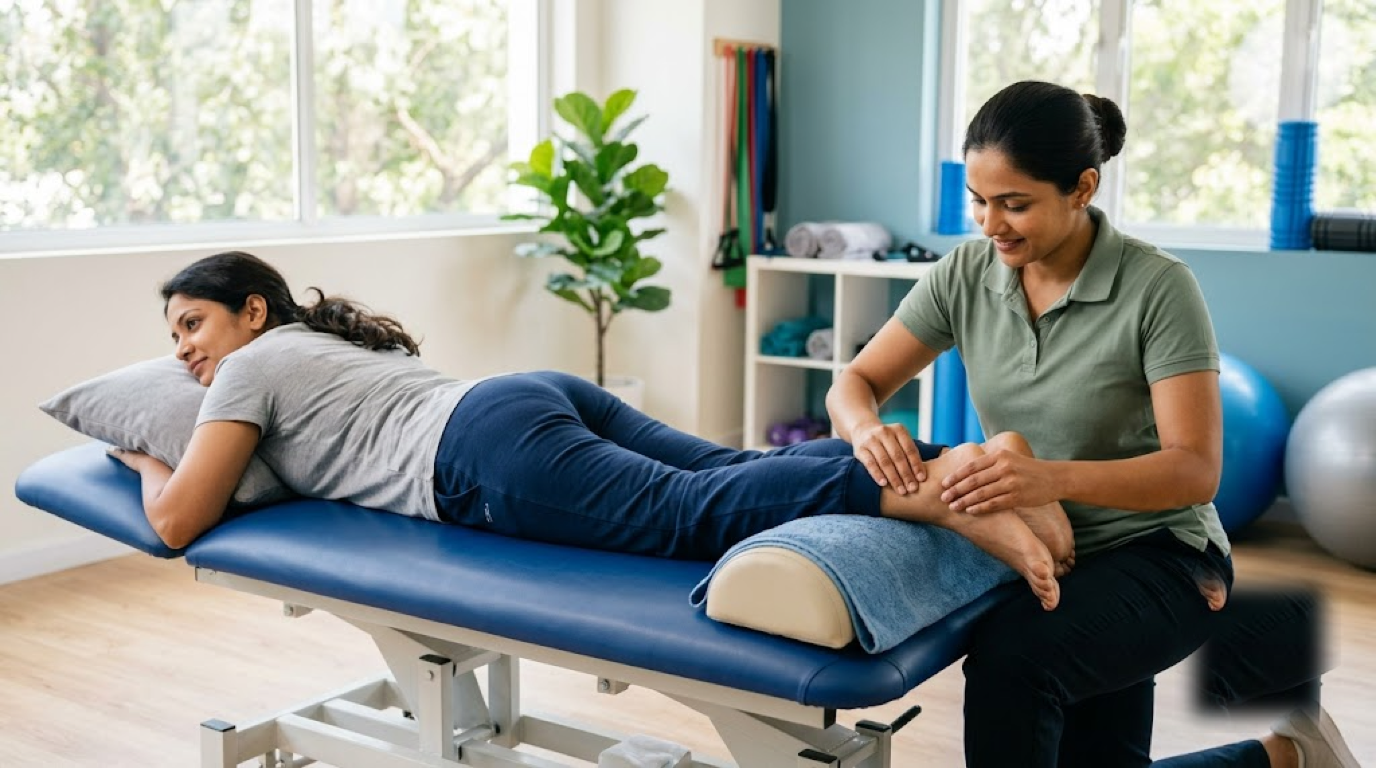
Learn what to share at your physiotherapy assessment, what may be checked, and which Achilles tendon symptoms need urgent medical attention.

Find out what a jaw assessment involves, how physiotherapy may help, and when jaw pain needs dental or medical attention.

Learn what to expect after your wrist cast comes off, how physiotherapy may help, and when pain or swelling needs medical attention.

Leak when you cough, sneeze or exercise? Learn what a pelvic floor physiotherapy assessment involves, including consent, comfort and next steps.
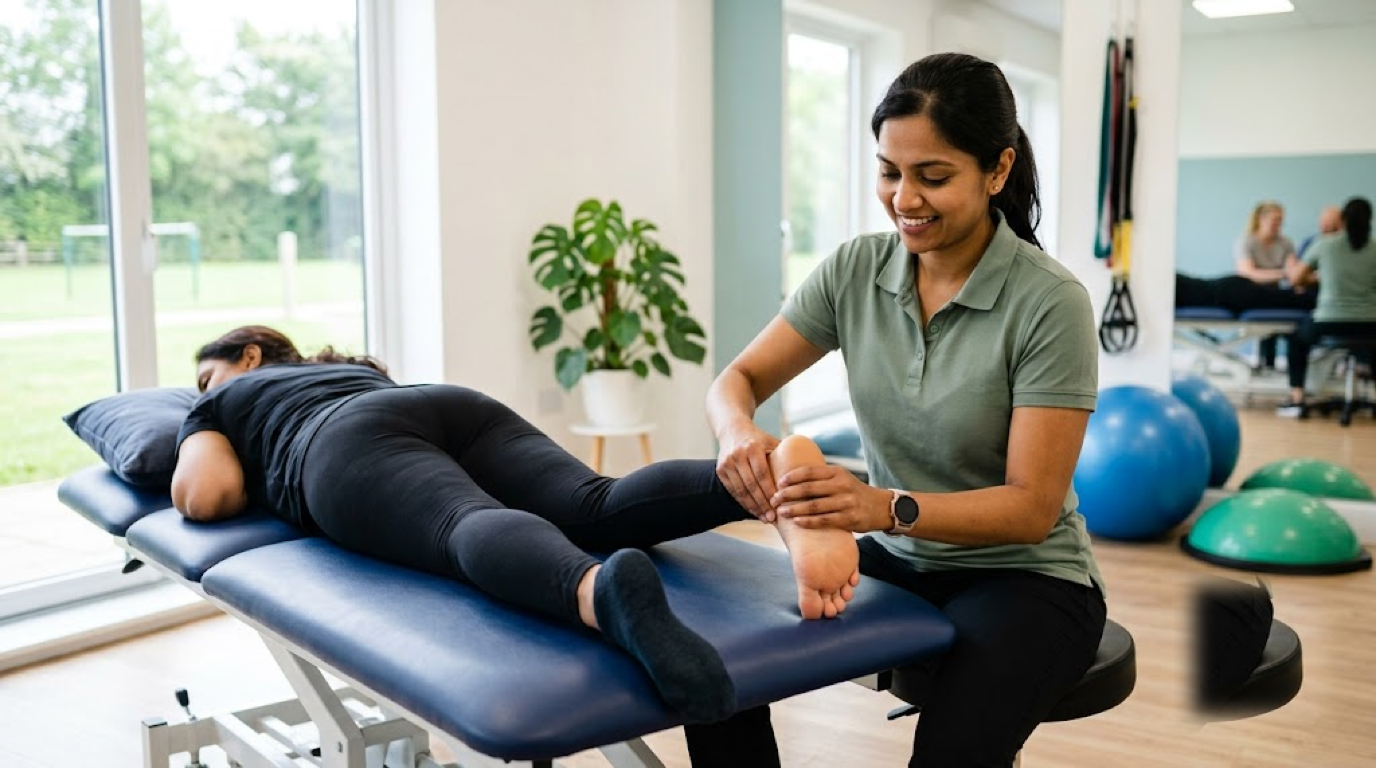
Heel pain with first steps can be frustrating. Learn how physiotherapy can reduce strain, improve movement, and support recovery.

Learn how physiotherapy can reduce sciatica symptoms, improve movement, and help many people delay or avoid surgery safely.

Understand frozen shoulder stages, safe exercises, and how physiotherapy can help reduce pain and improve shoulder movement over time.

Learn simple, safe core exercises that support your lower back and make daily movement easier.

Neck and shoulder pain from long desk hours is common. Learn how physiotherapy can reduce strain, improve movement, and support better work habits.

A clear guide to paediatric physiotherapy and cerebral palsy support, including movement, posture, play, and family guidance.

Learn how physiotherapists use hands-on care and exercise therapy together for pain, movement, strength, and daily function.

A simple guide to your first physiotherapy visit, from assessment and movement checks to treatment planning and home exercises.

Simple physiotherapy-backed posture tips for desk workers to reduce strain, move better, and feel more comfortable through the workday.

Understand common causes of adult knee pain and how physiotherapy can help with movement, strength, pain control, and daily function.

Learn how physiotherapy can reduce chronic lower back pain through movement, strength, posture support, and guided self-care.

Learn how a physiotherapy clinic can help with pain relief through careful assessment, guided exercise, and practical daily advice.

Dizziness, vertigo and unsteadiness can be unsettling. Learn how vestibular physiotherapy may help you move with more confidence.
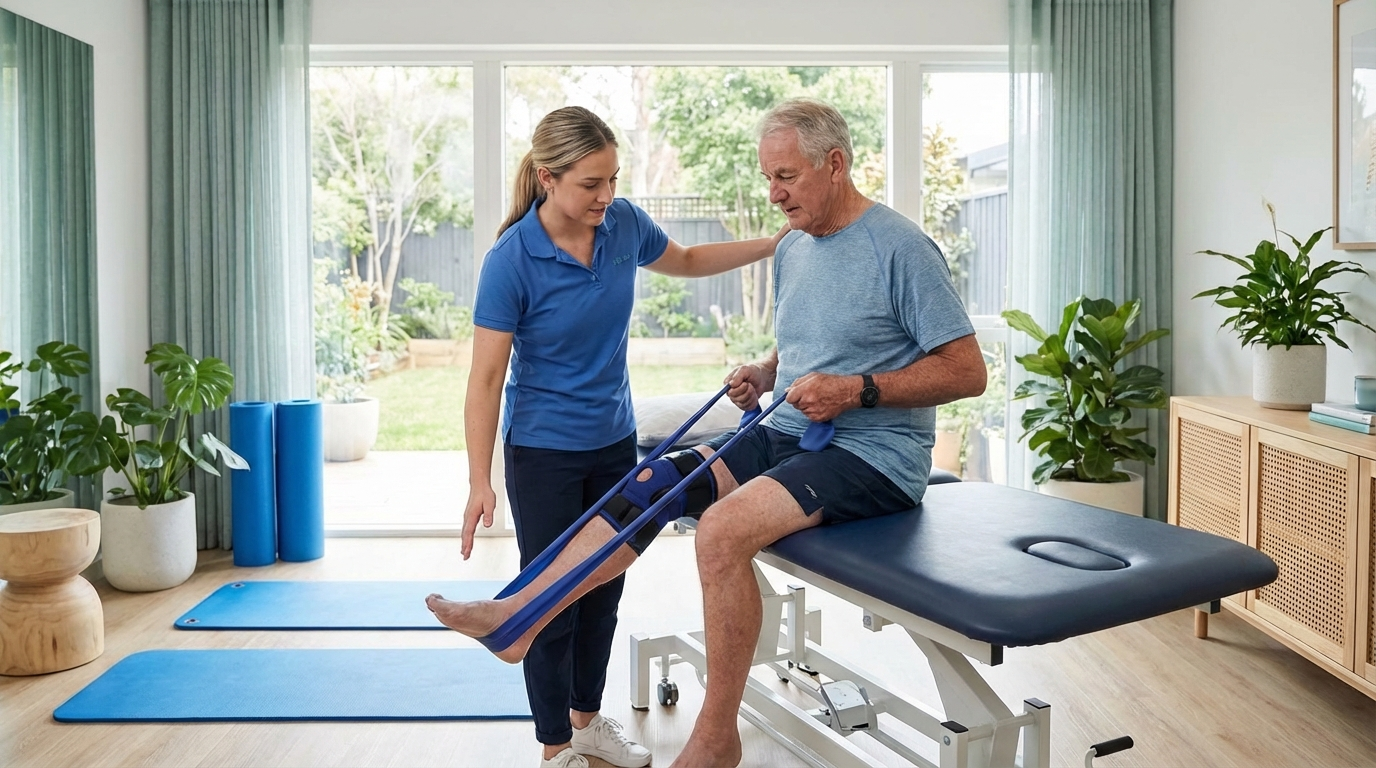
Wondering how many physiotherapy sessions you need? Learn how frequency and duration are determined by condition type and what optimal treatment looks like.

Physiotherapy breathing techniques can dramatically improve quality of life for COPD and respiratory patients. Learn the essential exercises and techniques.

Ranchi's growing sports culture demands expert sports physiotherapy. Learn how specialist sports rehab at The RNB Clinic gets local athletes back to peak performance.

Choosing the right physiotherapy clinic in Ranchi can make all the difference to your recovery. Here is your guide to finding qualified, evidence-based care.

Therapeutic ultrasound uses sound waves to accelerate tissue healing and reduce pain. Learn how it works, what conditions it treats, and its role in modern physiotherapy.

TENS therapy is one of the most widely used electrotherapy modalities for pain relief. Learn how it works, its benefits, and whether it is right for you.

Dry needling and acupuncture both use thin needles but are completely different in theory and practice. Learn the key differences and which is right for your condition.

Discover what physiotherapy is, how it works, and why patients in Ranchi choose it for pain relief, recovery, and long-term wellness.