

Understand common causes of adult knee pain and how physiotherapy can help with movement, strength, pain control, and daily function.
Knee pain can make simple things like climbing stairs, sitting cross-legged, walking to the market, or getting up from a chair feel difficult. In adults, it may come on suddenly after a twist or fall, or build up slowly over months because of joint, muscle, or movement-related changes.
At The RNB Clinic in Ranchi, physiotherapy assessment focuses on understanding why your knee is painful, how it affects your daily life, and what can be done safely to improve movement and confidence. This article explains common causes and how evidence-based physiotherapy may help.
Common causes of knee pain in adults
Knee pain is often linked to osteoarthritis, patellofemoral pain, ligament or meniscus injuries, tendon irritation, bursitis, muscle weakness, or stiffness around the hip, ankle, or spine. Sometimes pain is related to a recent increase in walking, running, squatting, stairs, or long hours of sitting.
Osteoarthritis is common with age, but it does not always mean the knee is “worn out” beyond help. Many people with knee joint changes can still improve pain, strength, balance, and daily function with the right plan.
A physiotherapist looks beyond the painful spot. Foot posture, hip control, thigh strength, body weight, work habits, footwear, and previous injuries can all influence how much stress the knee receives.
When to seek medical help promptly
Please seek urgent medical advice if knee pain follows a major fall or accident, you cannot bear weight, the knee is very swollen, hot, red, or locked, or you have fever, calf swelling, chest pain, or sudden breathlessness.
You should also get assessed if pain keeps returning, lasts more than a few days, disturbs sleep, or stops you from doing routine activities. Early guidance can prevent unnecessary rest, fear, and repeated flare-ups.
Physiotherapy is not a replacement for medical care when serious injury, infection, fracture, or blood clot is suspected. A good assessment helps decide whether physiotherapy is suitable or whether referral is needed.
How physiotherapy helps knee pain
Physiotherapy usually begins with a detailed history and movement assessment. Your therapist may check knee range, swelling, strength, balance, walking pattern, stairs, squatting, and movements that reproduce your symptoms.
Treatment may include graded strengthening for the thigh, hip, and calf muscles, mobility work, balance training, walking or stair practice, taping or supports when appropriate, and advice on pacing activity during flare-ups.
Hands-on techniques may help short-term pain or stiffness for some people, but long-term progress usually depends on active rehabilitation. Exercises are adjusted to your pain level, age, goals, and daily routine.
What you can do at home
Avoid complete rest unless advised after an injury. Gentle movement, short walks, and simple strengthening exercises often help the knee stay mobile, provided symptoms remain manageable and do not sharply worsen afterward.
Useful habits include rising from a chair without using the hands when comfortable, doing slow step-ups, strengthening the hips and thighs, wearing supportive footwear, and breaking up long sitting periods.
If you live in or around Ranchi and your knee pain is affected by stairs, uneven roads, two-wheeler use, or long work hours, mention these details during assessment. Your plan should fit your real day, not just a clinic exercise chart.
Recovery expectations and prevention
Recovery time depends on the cause, irritability of symptoms, general health, and consistency with exercises. Some people feel better within weeks, while longer-standing pain or arthritis may need ongoing strength and activity management.
The goal is not just pain relief on one day, but better confidence with walking, stairs, sitting, work, and exercise. Progress is usually measured by what you can do more comfortably and safely.
There are no guaranteed cures for knee pain, but many adults can reduce symptoms and improve function with a clear diagnosis, graded loading, education, and regular follow-up.
Frequently Asked Questions
Take the next step
Ready to Start Your Treatment?
Book a consultation with our expert physiotherapists. No referral needed.
Book AppointmentRelated Articles
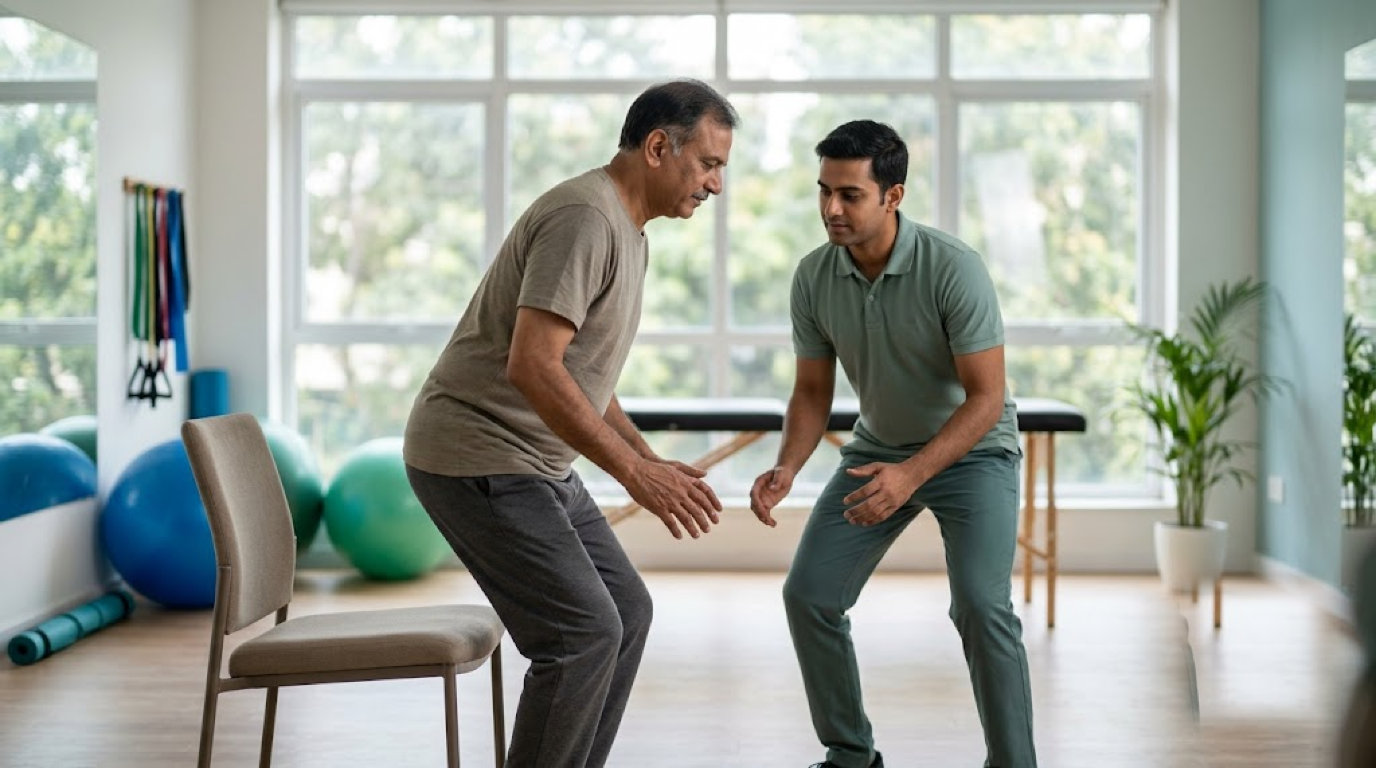
Setting Physio Goals Around Everyday Activities That Matter
From climbing stairs to playing with your children, meaningful physiotherapy goals start with the everyday activities you want to do.
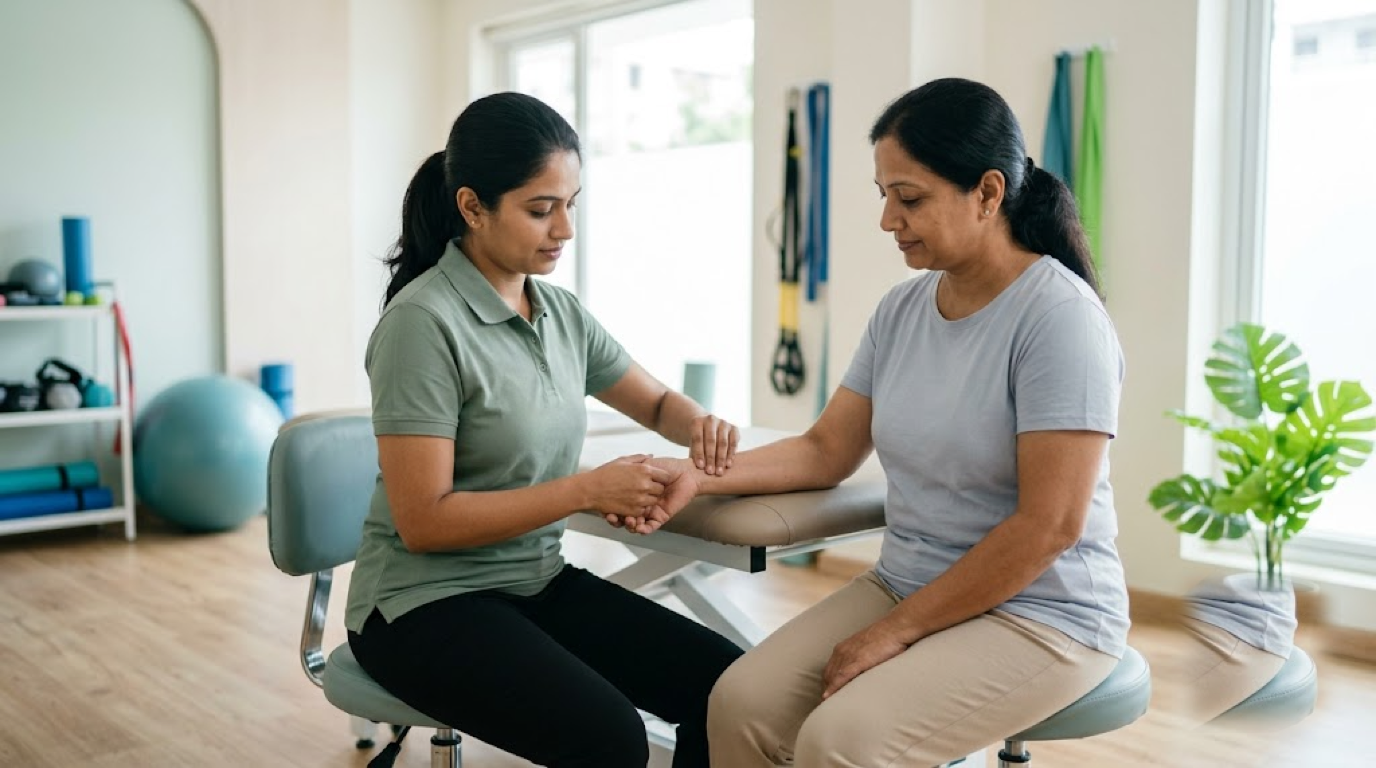
Thumb-Side Wrist Pain When Lifting Your Baby
Sore near the base of your thumb when lifting or feeding your baby? Learn what to discuss at physiotherapy and when to seek medical help.
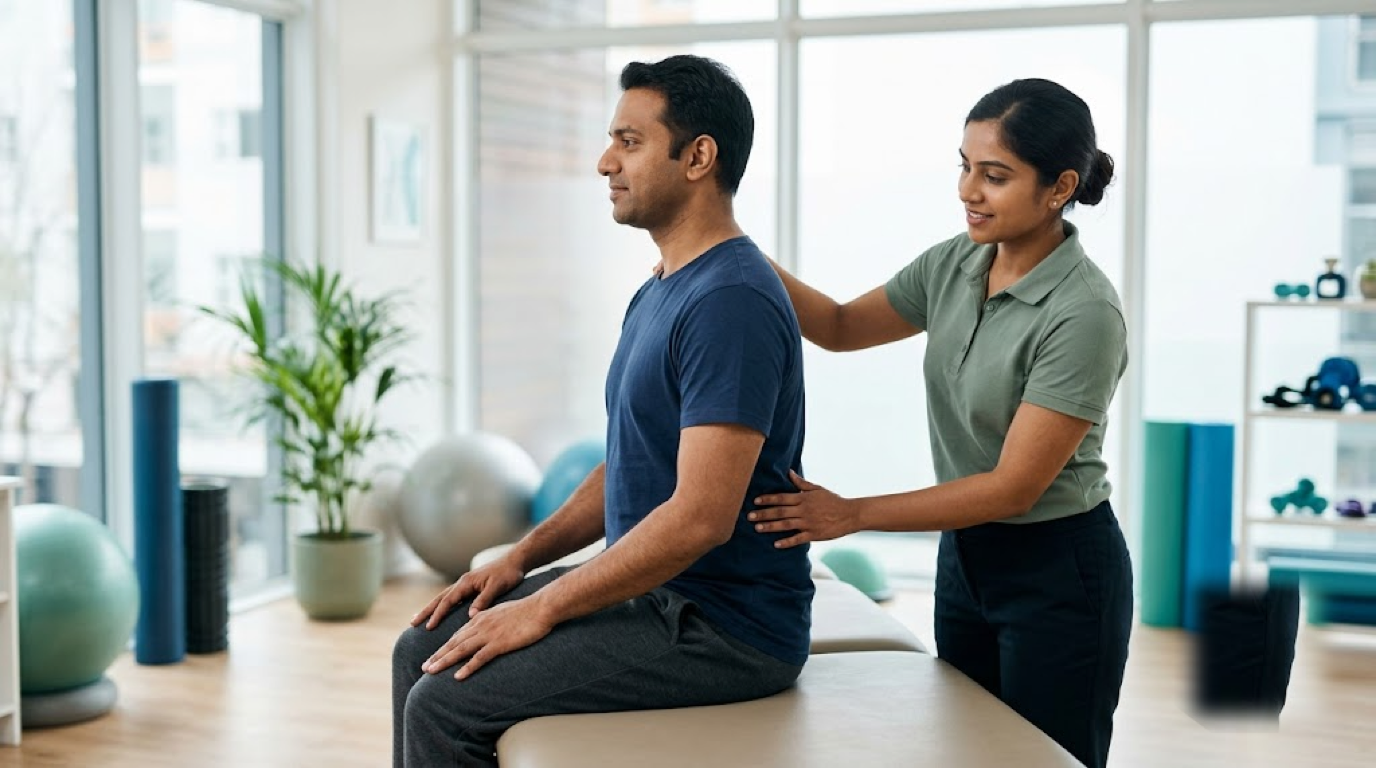
Tailbone Pain When Sitting: Your Physiotherapy Assessment
Sore when sitting or getting up? Learn what to share at a physiotherapy assessment, what to expect, and when to seek medical help.