

A simple guide to your first physiotherapy visit, from assessment and movement checks to treatment planning and home exercises.
Starting physiotherapy can feel a little uncertain, especially if you are in pain or worried about what the session will involve. A first visit is usually calm, conversational, and focused on understanding your problem properly before treatment begins.
At an evidence-based clinic like The RNB Clinic in Ranchi, your physiotherapist will look at your symptoms, daily activities, medical history, and movement so that care can be planned around your needs, not just your diagnosis.
A Conversation About Your Pain and Goals
Your session will usually begin with questions about what brought you in. You may be asked when the pain started, what makes it better or worse, whether it affects sleep, work, walking, sitting, sports, or household tasks, and what you hope to return to.
It helps to bring any recent prescriptions, scans, blood reports, or discharge summaries if you have them. Also share details of past injuries, surgeries, medicines, and health conditions, because these can affect what exercises or techniques are appropriate.
This part is not just paperwork. It helps your physiotherapist understand the full picture and identify whether physiotherapy is suitable, or whether you may need referral to another healthcare professional.
Movement, Strength, and Functional Checks
After the discussion, your physiotherapist may observe how you move. Depending on your concern, this can include checking posture, walking, joint movement, muscle strength, balance, flexibility, or simple tasks such as standing from a chair or bending forward.
These tests are usually gentle and should be explained before they are done. You can always say if something feels too painful or uncomfortable. The aim is to find what is limited, what is sensitive, and what can be safely worked on.
Wearing comfortable clothing that allows movement can make this easier, especially for back, knee, shoulder, or neck problems.
Your Treatment Plan and First Steps
Once the assessment is complete, the physiotherapist will explain what they have found in clear language. This may include likely contributing factors, what can be worked on, and what progress may realistically look like over time.
Treatment may begin in the first session, depending on your condition. It can include guided exercises, hands-on techniques, education about posture or activity modification, pain-relief strategies, or practice of safer movement patterns.
A good plan should feel collaborative. You should know why each exercise or treatment is being used, how often to do it, and what signs mean you should pause or ask for help.
What You May Need to Do at Home
Physiotherapy often works best when clinic sessions are supported by simple home practice. You may be given a few exercises or activity changes to follow between visits, usually chosen to match your current ability.
The home plan should not feel overwhelming. It may start with just a few minutes a day and change as your symptoms, strength, or mobility improve. Consistency matters more than doing too much too soon.
If you live in or around Ranchi and have a busy routine, tell your physiotherapist honestly about your work hours, travel, and home responsibilities so the plan can fit real life.
Frequently Asked Questions
Take the next step
Ready to Start Your Treatment?
Book a consultation with our expert physiotherapists. No referral needed.
Book AppointmentRelated Articles
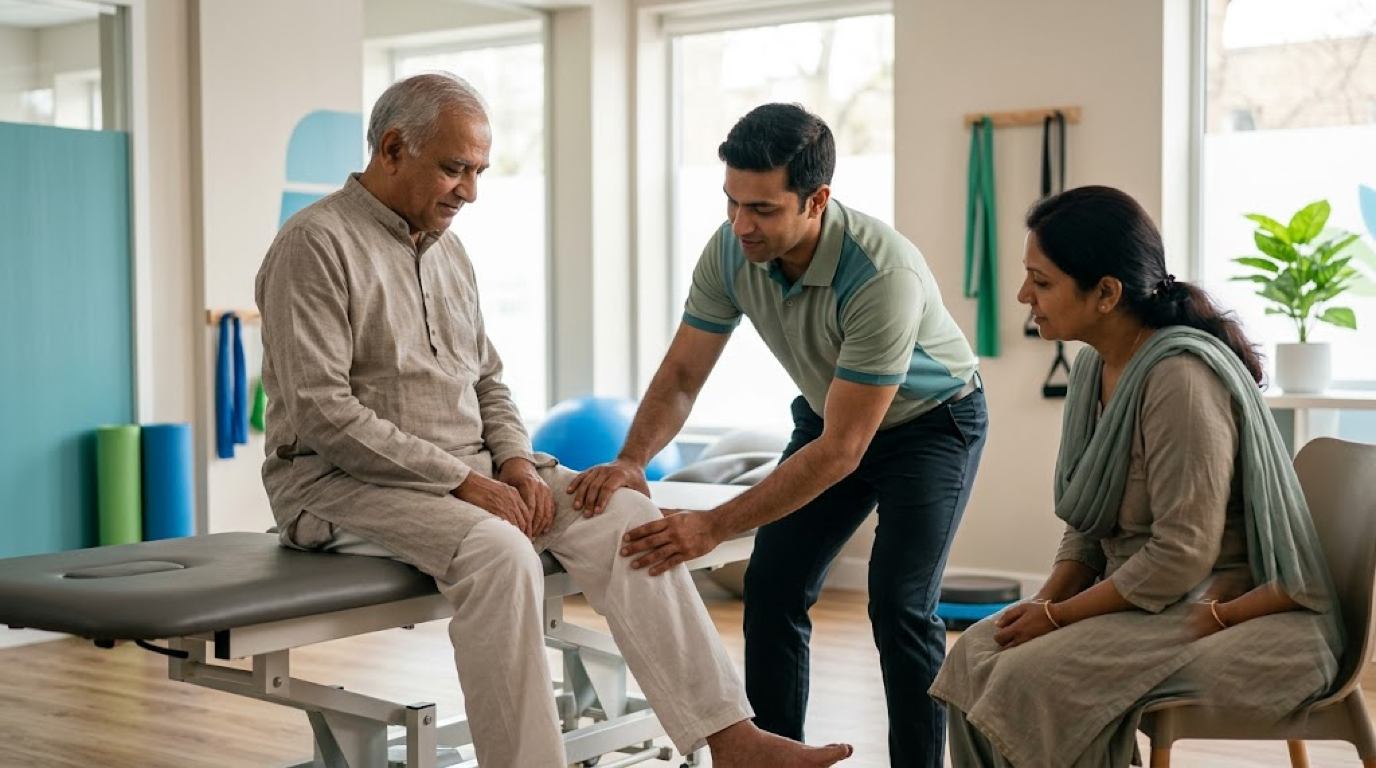
How to Involve a Family Caregiver in Physiotherapy
Learn how a family member can support your physiotherapy, ask useful questions and help at home while respecting your comfort and independence.

Setting Physio Goals Around Everyday Activities That Matter
From climbing stairs to playing with your children, meaningful physiotherapy goals start with the everyday activities you want to do.
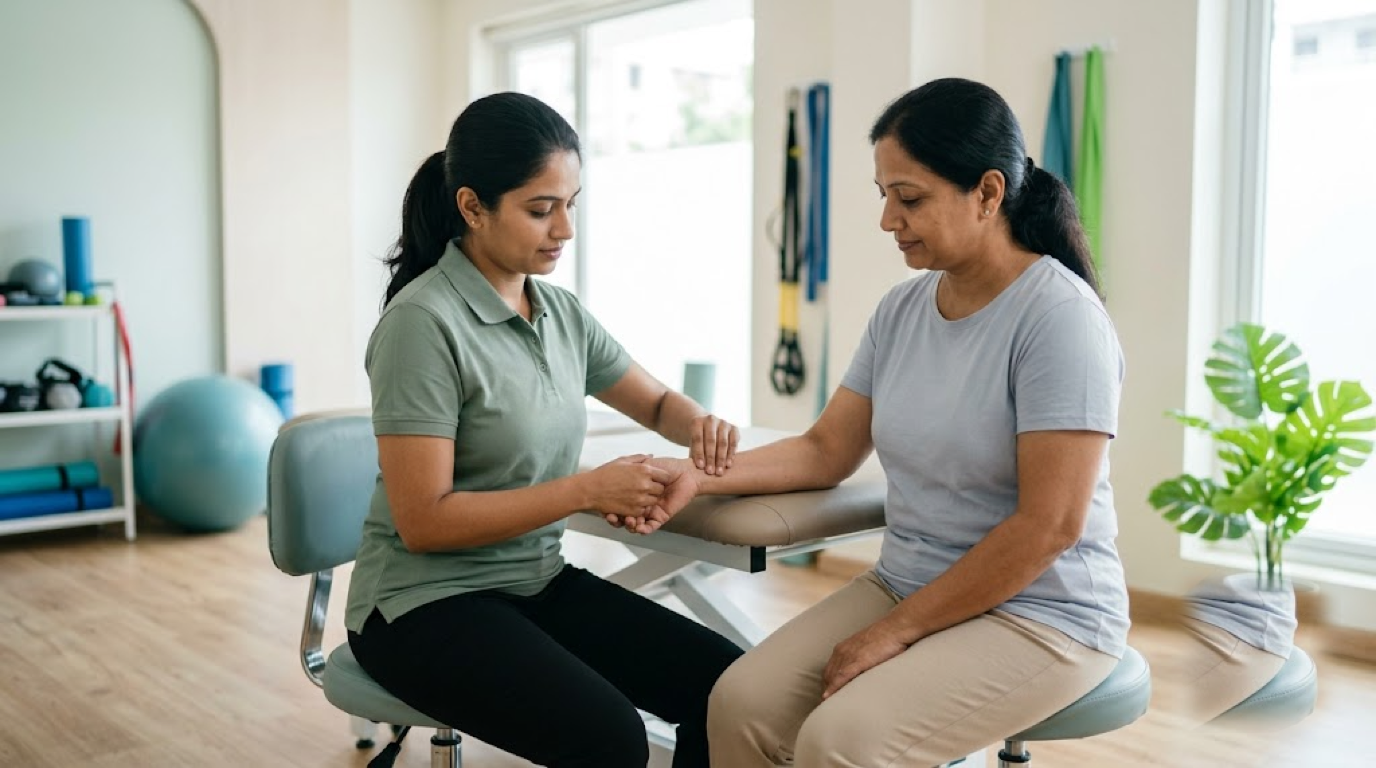
Thumb-Side Wrist Pain When Lifting Your Baby
Sore near the base of your thumb when lifting or feeding your baby? Learn what to discuss at physiotherapy and when to seek medical help.