Musculoskeletal & Orthopaedic
Post-Surgical Rehabilitation
Structured physiotherapy recovery programmes after orthopaedic and spinal surgery.
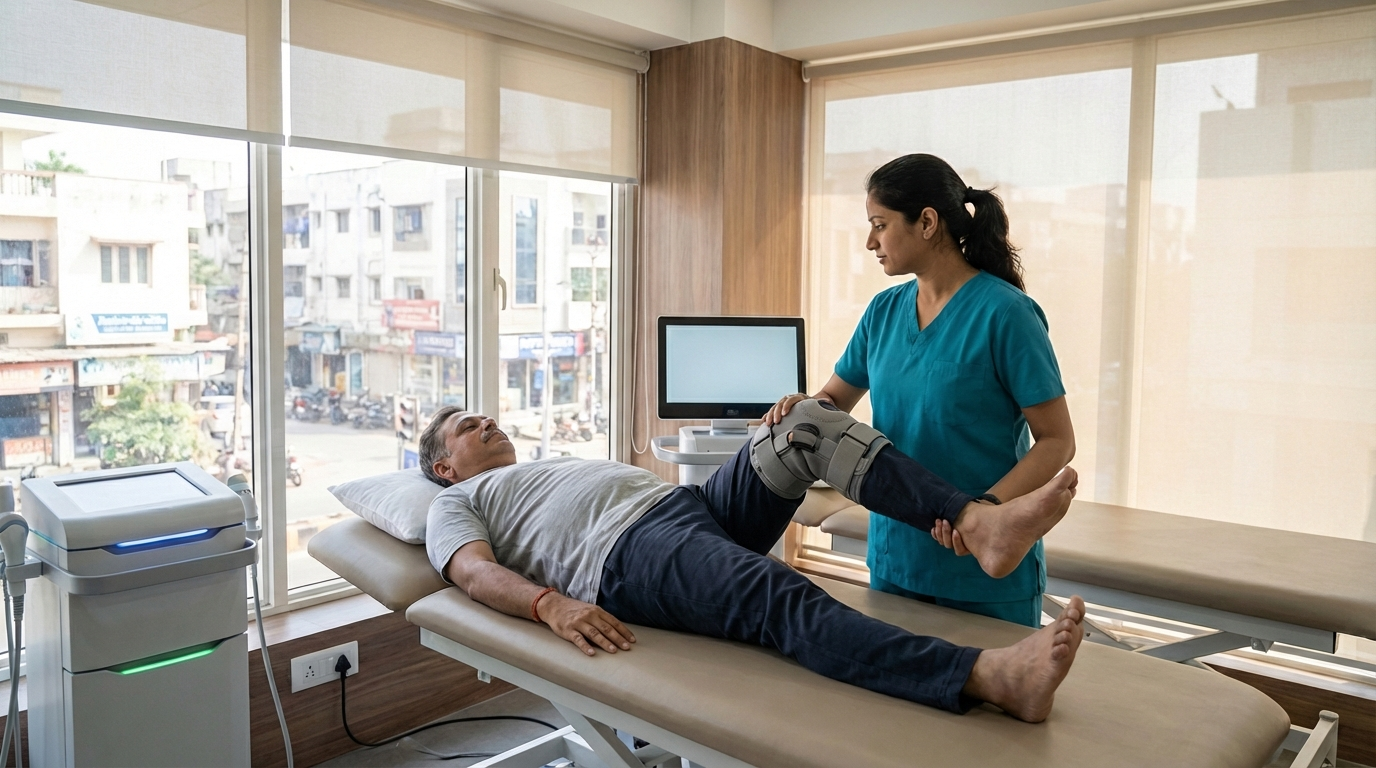
Post-Surgical Physiotherapy at The RNB Clinic
Recovery after surgery requires careful, progressive rehabilitation. Our post-surgical physiotherapy programmes are designed in close collaboration with your surgeon to ensure optimal healing and return of function.
Surgeries We Support
- Total knee and hip replacement
- ACL reconstruction
- Rotator cuff repair
- Spinal fusion and discectomy
- Shoulder stabilisation surgery
- Cardiac and thoracic surgery (chest physio)
- Abdominal and pelvic surgery
What your first post-surgical session involves
We begin with your operation notes and your surgeon's protocol, because those set the boundaries everything else works within. Weight bearing status, range of movement limits and any precautions on lifting or twisting are confirmed before we do anything hands-on. We then check the wound, look for swelling, measure the movement you currently have, and test the muscles around the joint, which almost always weaken quickly after surgery. From there we agree a staged plan and the milestones your surgeon expects at each review.
How a course of treatment usually runs
Early rehabilitation protects the repair while preventing stiffness, so sessions in the first weeks are frequent and deliberately conservative. As healing allows, the emphasis shifts from protecting tissue to loading it, because muscle and tendon need progressive load to regain capacity. Timelines vary widely by procedure. Knee and hip replacement rehabilitation generally shows its biggest gains in the first three months, ACL reconstruction runs closer to nine to twelve months, and rotator cuff repair requires a slow, carefully staged return to overhead activity. We work to your surgeon's timeline rather than around it.
What helps between appointments
- Follow the surgical precautions exactly, even when the joint feels ready to do more.
- Elevate and use ice as advised for the first weeks to control swelling, which limits movement more than pain does.
- Do the prescribed movement little and often. Long gaps allow stiffness to set in quickly.
- Keep the wound clean and dry, and report any redness, heat or discharge promptly.
- Attend the surgical follow up appointments even if recovery feels ahead of schedule.
When to contact your surgeon or a doctor
Contact your surgical team rather than your physiotherapist if the wound becomes red, hot or starts discharging, if you develop a fever, if calf pain and swelling appear, if you become breathless or have chest pain, or if pain suddenly increases after a period of steady improvement. Calf swelling and breathlessness after surgery need same day medical assessment.
Conditions We Treat
Ready to Start Your Recovery?
Book your assessment today and take the first step towards pain-free living.