
Musculoskeletal & Orthopaedic
Women's Health Physiotherapy
Specialist physiotherapy for pregnancy-related pain, pelvic floor issues, and post-natal recovery.
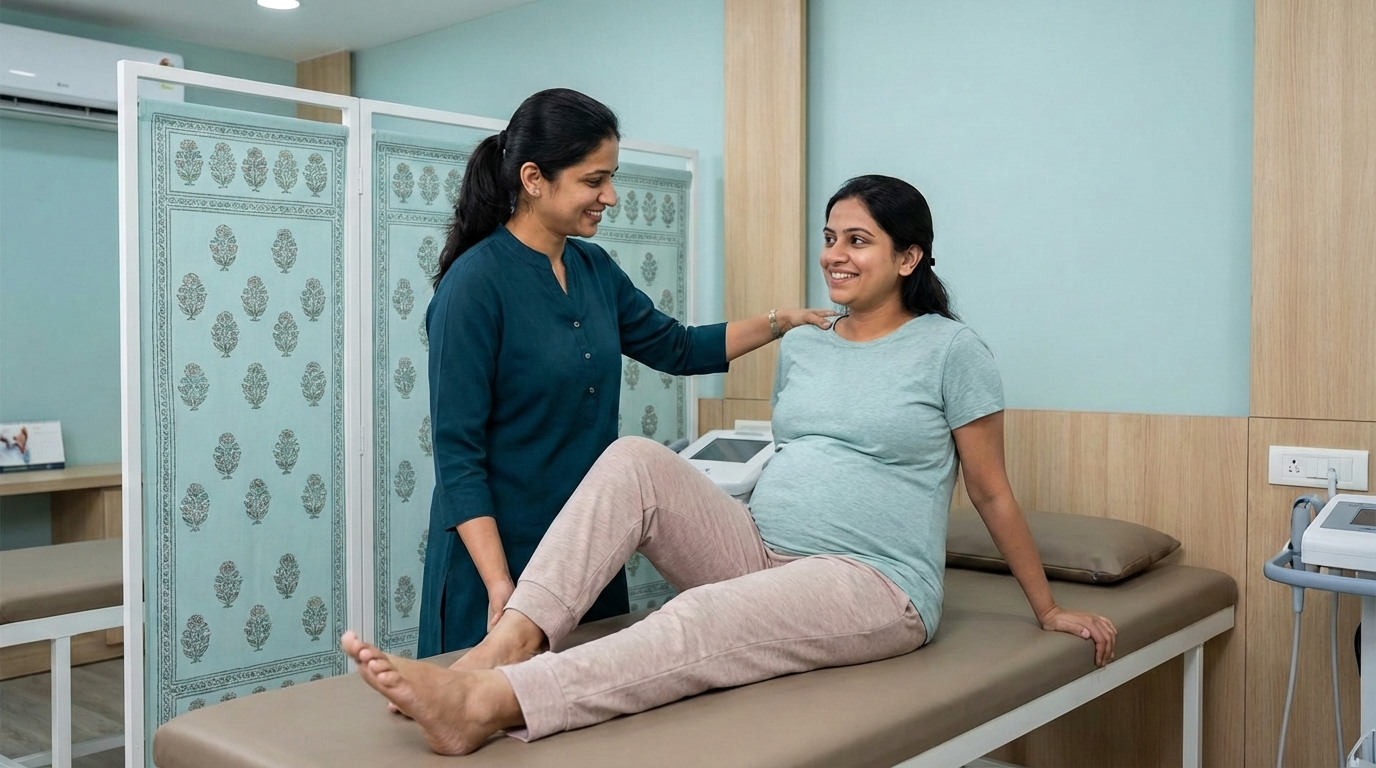
Women's Health Physiotherapy at The RNB Clinic
From pregnancy through to post-natal recovery and beyond, our women's health physiotherapists provide sensitive, expert care for the unique physiotherapy needs of women at every stage of life.
Services for Women
- Pregnancy-related back and pelvic pain
- Pelvic floor assessment and rehabilitation
- Diastasis recti (abdominal separation) recovery
- Post-caesarean scar management
- Stress urinary incontinence
- Prolapse management
- Osteoporosis and bone health programmes
What your first women's health appointment involves
The first session is a conversation before it is anything else. We discuss your symptoms, your pregnancy or birth history where relevant, bladder and bowel habits, and how symptoms affect exercise, work and daily life. Many women have not discussed these problems with anyone before, and there is no expectation that you will be comfortable immediately. We explain what any assessment would involve and why, and nothing proceeds without your clear consent. You are welcome to bring someone with you, and you may decline any part of the assessment at any point.
How a course of treatment usually runs
Pelvic floor rehabilitation is a training programme and follows the same rules as any other muscle training, which means change takes time. Most women are advised to expect around three months of consistent daily practice before judging the result, with review appointments along the way to check technique, since doing the exercises incorrectly is common and limits progress. Pregnancy related pelvic and back pain is usually managed with a combination of hands-on treatment, support advice and specific exercise, and often improves within a few weeks. Post-natal recovery is staged, with return to running and impact exercise generally considered from around three months after birth depending on individual recovery.
What helps between appointments
- Practise the prescribed exercises daily. Consistency matters far more than intensity here.
- Avoid stopping and starting your urine stream as a way of exercising, as this is not a safe training method.
- Manage constipation, since straining places repeated load on the pelvic floor.
- Return to impact exercise gradually after birth rather than resuming a previous routine at once.
- Raise any leaking, heaviness or pain during exercise with us rather than pushing through it.
When to see a doctor first
Seek medical review rather than physiotherapy for vaginal bleeding that is new or unexplained, pelvic pain with fever, suspected infection, or any bleeding during pregnancy. During pregnancy, reduced fetal movement, severe headache with visual changes, or sudden swelling need urgent obstetric assessment. Physiotherapy supports recovery but does not replace obstetric or gynaecological care.
Ready to Start Your Recovery?
Book your assessment today and take the first step towards pain-free living.