

A clear guide to physiotherapy after surgery, from first assessment to safe movement, home exercises and steady recovery.
Recovering after surgery can feel uncertain. You may be dealing with pain, swelling, stiffness, tiredness, or worry about moving the operated area. Physiotherapy helps you understand what is safe, what to avoid, and how to rebuild movement step by step.
At The RNB Clinic in Ranchi, post-surgery rehabilitation is planned around your surgeon’s instructions, your procedure, and your day-to-day goals. Progress is different for everyone, so the focus is steady improvement rather than rushing.
Your first physiotherapy session
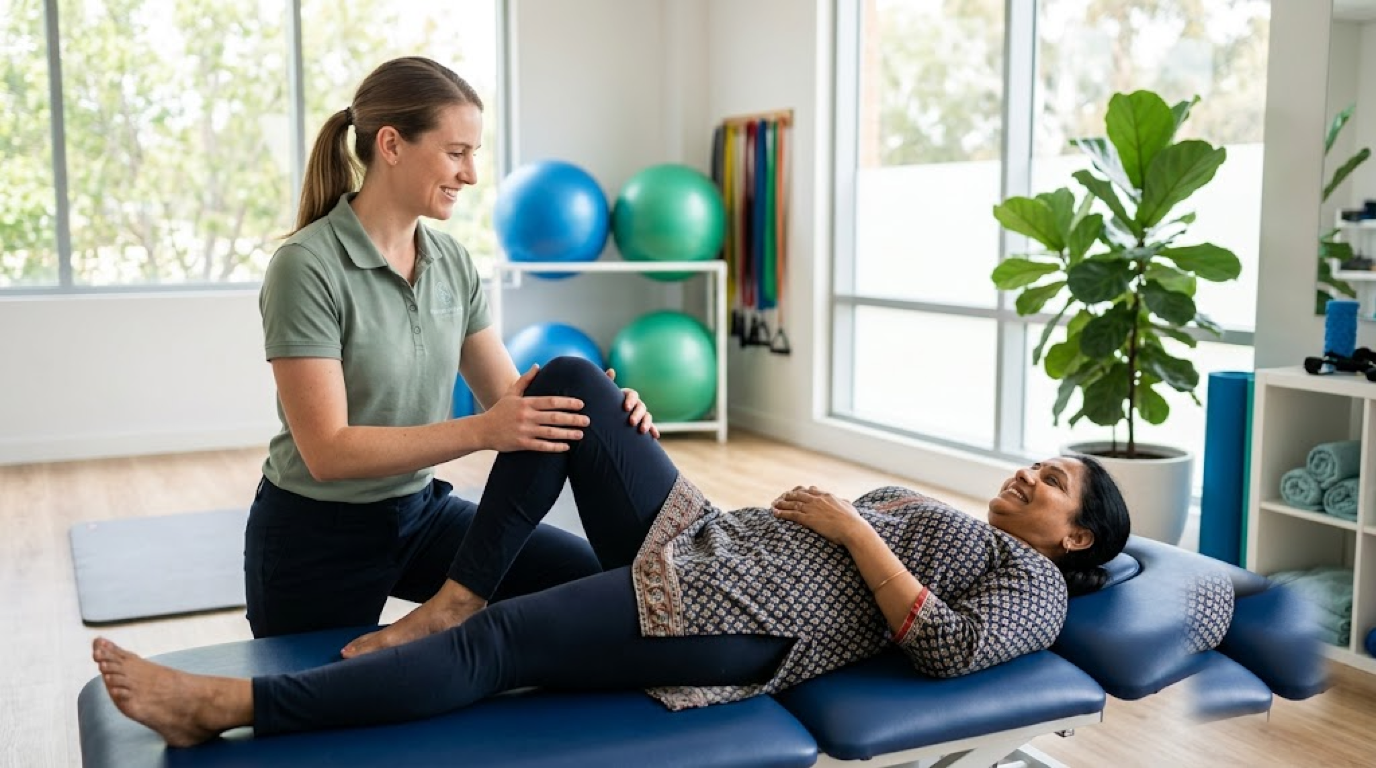
Your physiotherapist will usually begin by asking about your surgery, current symptoms, medicines, precautions, and follow-up advice from your surgeon. They may check swelling, wound safety, joint movement, muscle strength, walking pattern, balance, and how you manage basic activities.
You should bring your discharge summary, surgery notes, imaging reports if available, and any restrictions given by your doctor. This helps your physiotherapist choose exercises that match your stage of healing.
Early goals: pain control and safe movement
In the early phase, physiotherapy often focuses on reducing stiffness, improving circulation, teaching safe transfers, and helping you move without putting unnecessary strain on the surgical area. Gentle exercises may feel small, but they are often important foundations.
Depending on the surgery, your plan may include breathing exercises, ankle pumps, assisted movement, walking practice, posture correction, or guidance on using a walker, stick, brace, or sling. Pain should be monitored, not ignored.
Building strength, mobility and confidence
As healing progresses, your exercises usually become more active. The aim may be to improve range of motion, rebuild muscle strength, restore balance, and help you return to daily tasks such as climbing stairs, sitting, standing, bathing, dressing, or work activities.
Your physiotherapist may use supervised exercise, hands-on techniques, gait training, and home exercises. The plan should be reviewed regularly, because your body’s response matters more than a fixed timeline.
What you can do at home
Home exercises are a key part of rehabilitation. Doing them correctly and consistently can support recovery, but doing too much too soon may increase pain or swelling. Your physiotherapist should explain how often to exercise and what warning signs to watch for.
In Ranchi’s busy routines, it can help to plan short exercise slots around meals, work, or rest time. Keep your follow-up appointments, protect your wound as advised, and contact your surgeon if you notice fever, unusual swelling, calf pain, wound discharge, or sudden worsening symptoms.
Frequently Asked Questions
Take the next step
Ready to Start Your Treatment?
Book a consultation with our expert physiotherapists. No referral needed.
Book AppointmentRelated Articles

Knee Pain in Adults: Causes and Physiotherapy Care
Understand common causes of adult knee pain and how physiotherapy can help with safer movement, strength and daily function.
Sciatica Pain: How Physiotherapy May Help Avoid Surgery
Learn how physiotherapy can reduce sciatica pain, improve movement, and help many people avoid or delay surgery safely.