Learn how physiotherapy supports safer movement, strength, balance, and daily independence after stroke.
A stroke can change movement, balance, speech, confidence, and daily routines in a very sudden way. Recovery often feels slow and uncertain, but the right rehabilitation plan can help a person relearn skills step by step.
Physiotherapy after stroke focuses on safe movement, strength, balance, coordination, and everyday activities. At The RNB Clinic in Ranchi, the goal is to support each person with practical, evidence-informed care that respects their pace and needs.
How stroke affects movement
A stroke can affect one side of the body, making an arm or leg feel weak, stiff, heavy, or difficult to control. Some people also struggle with balance, walking, shoulder pain, hand use, or getting in and out of bed or a chair.
These changes happen because the brain and body need time and repeated practice to reconnect movement patterns. Rehabilitation uses structured exercises and task practice to encourage safer, more useful movement.
What physiotherapy can help with
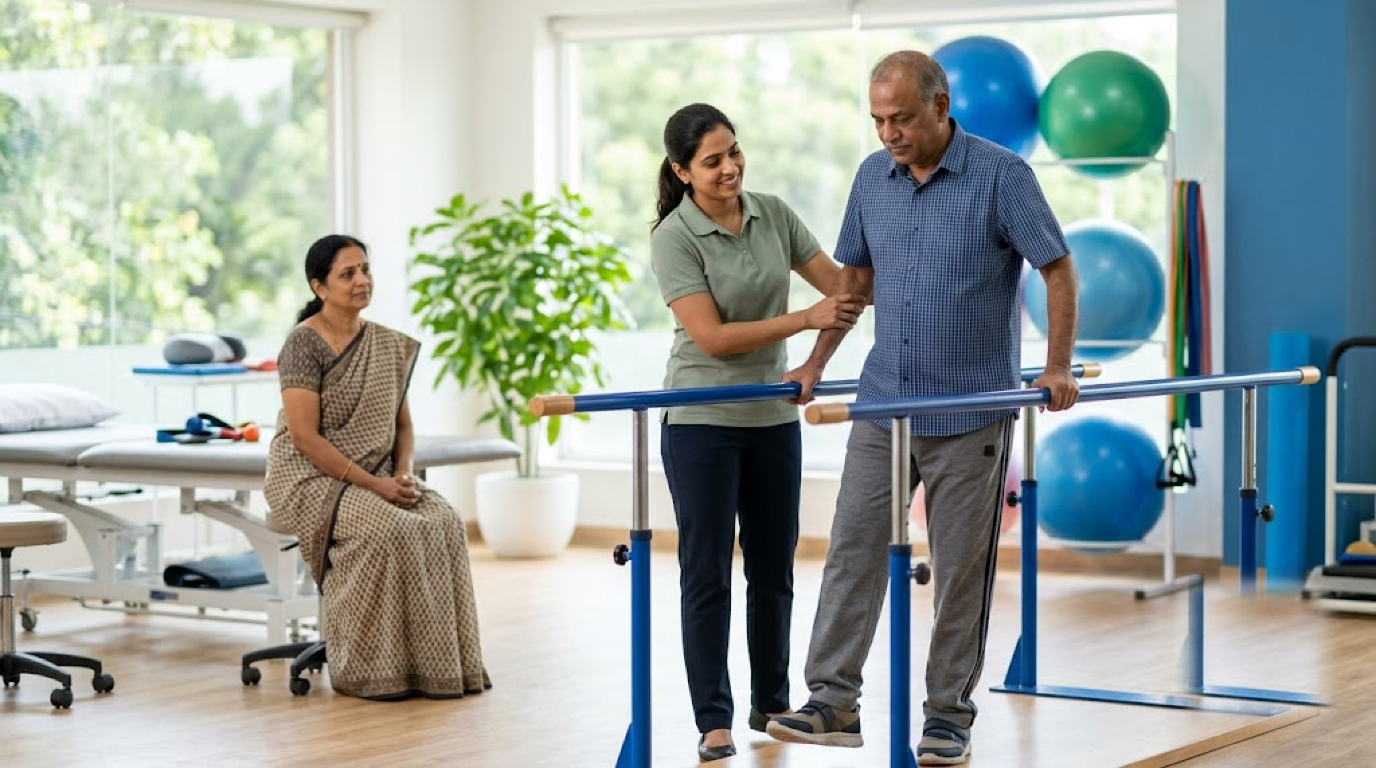
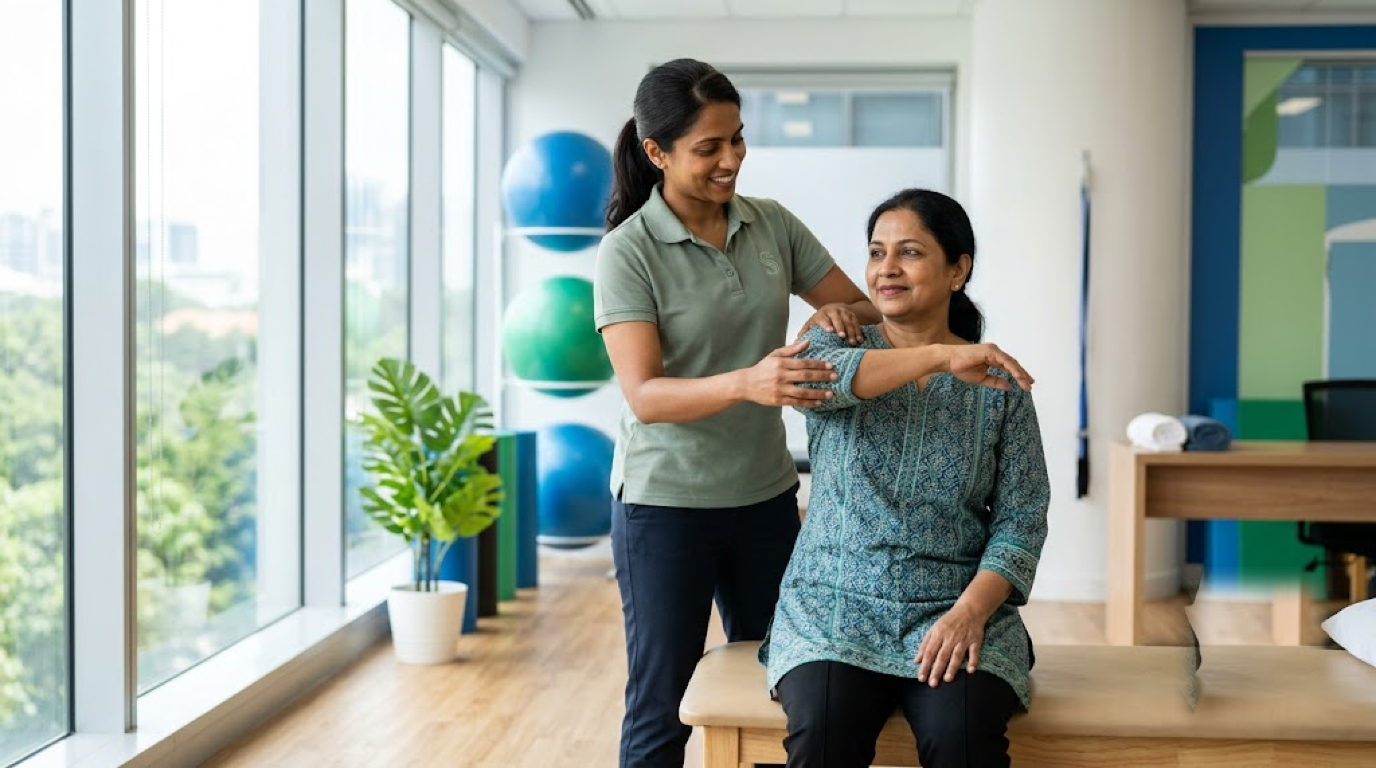
Physiotherapy may include exercises for strength, joint movement, sitting and standing balance, walking practice, hand and arm training, and safe transfer techniques. The plan depends on the person’s symptoms, medical condition, and daily goals.
A therapist may also guide family members on positioning, safe assistance, fall prevention, and home exercises. This can make day-to-day care easier and reduce avoidable strain for both the patient and caregiver.
Why early and consistent rehabilitation matters
Many people benefit from starting rehabilitation as soon as their doctor says it is safe. Early therapy can help prevent stiffness, improve confidence, and begin rebuilding useful movement habits.
Progress after stroke is different for every person. Some improvements may be quick, while others take months of steady practice. Consistency, realistic goals, and regular review are more helpful than comparing one person’s recovery with another’s.
Rehabilitation beyond the clinic
Stroke recovery does not happen only during therapy sessions. Simple daily practice, such as standing safely, reaching for objects, walking with support, or using the affected hand in small tasks, can support carryover into real life.
For families in and around Ranchi, a physiotherapist can help adapt exercises to the home environment and suggest safer ways to manage common activities. The aim is better participation, not pressure or unrealistic expectations.
Frequently Asked Questions
Take the next step
Ready to Start Your Treatment?
Book a consultation with our expert physiotherapists. No referral needed.
Book AppointmentRelated Articles
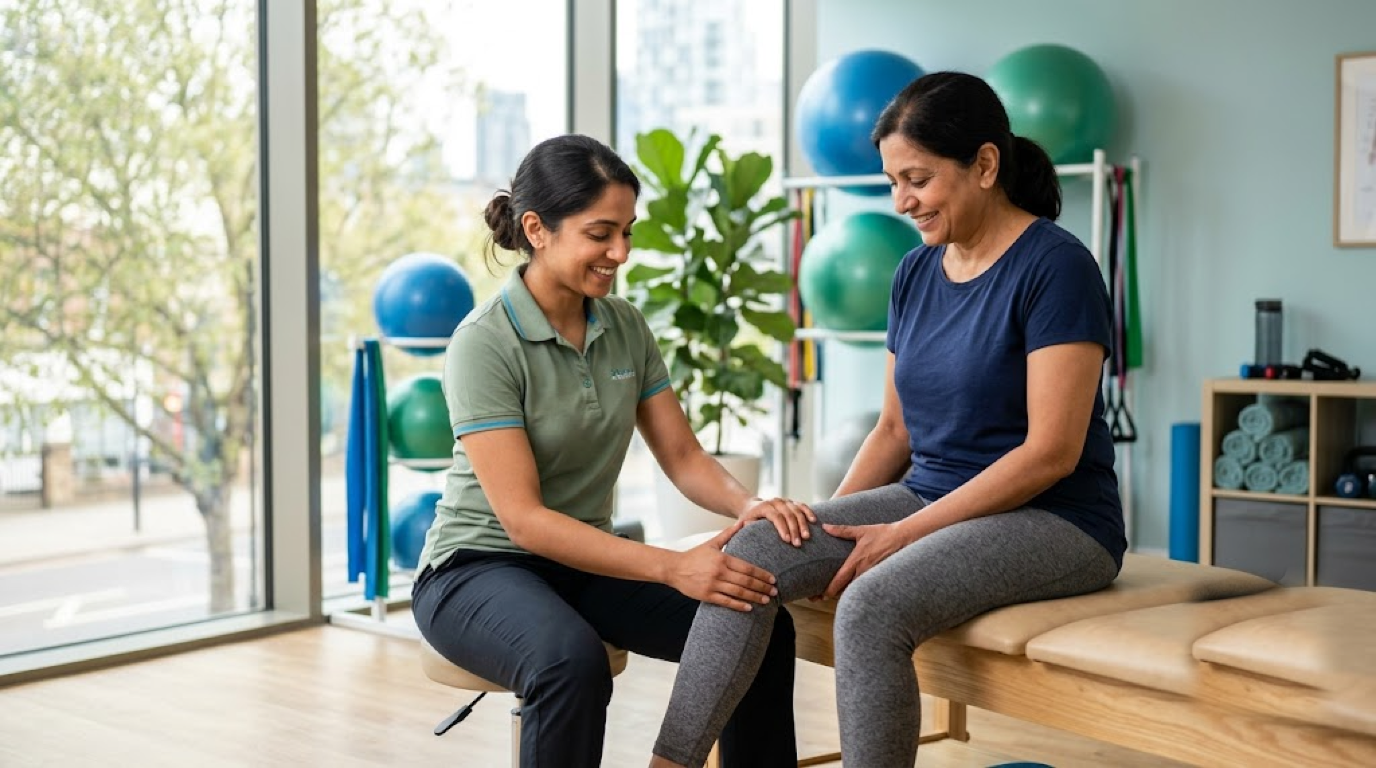
Knee Pain in Adults: Causes and Physiotherapy Care
Understand common causes of adult knee pain and how physiotherapy can help with safer movement, strength and daily function.
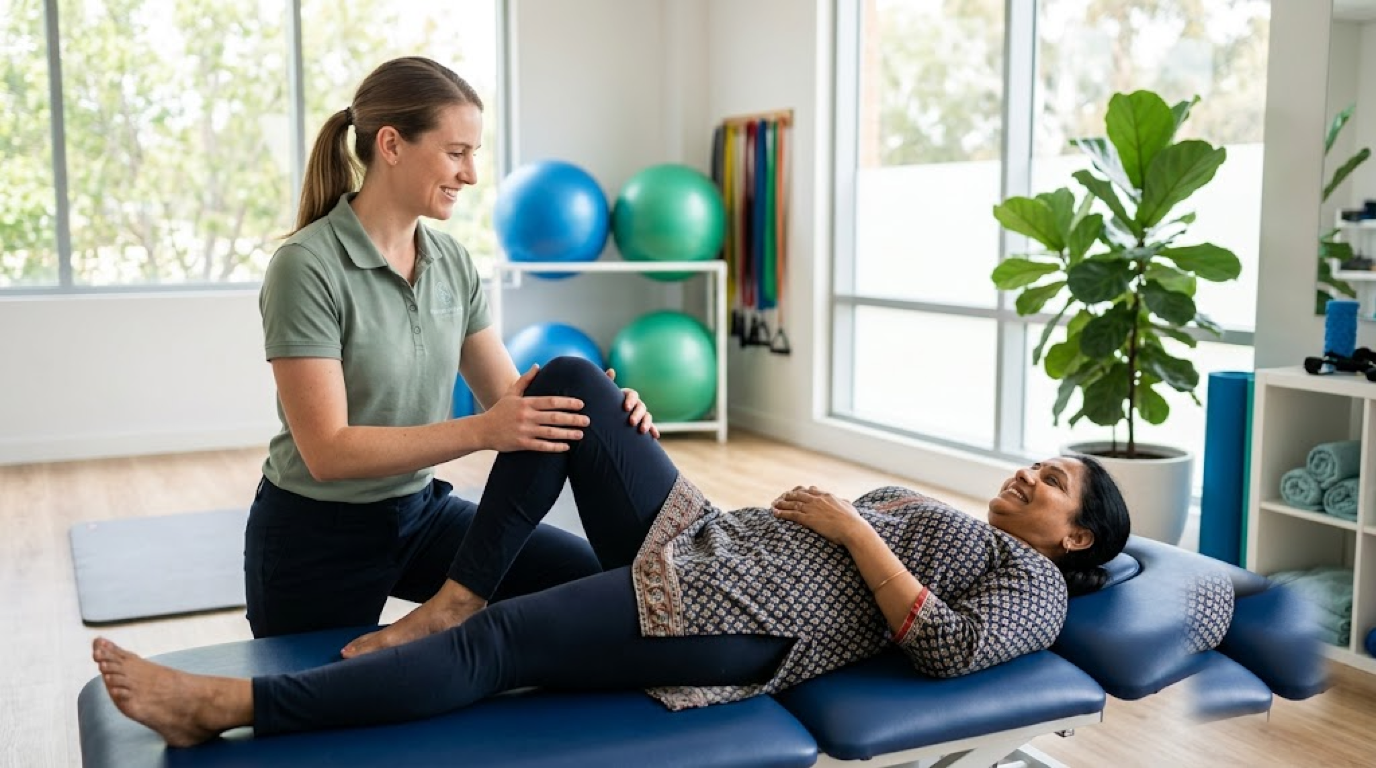
Sciatica Pain: How Physiotherapy May Help Avoid Surgery
Learn how physiotherapy can reduce sciatica pain, improve movement, and help many people avoid or delay surgery safely.
Frozen Shoulder: Stages, Exercises and Physio Care
Learn the stages of frozen shoulder, safe exercises, and how physiotherapy can help reduce pain and restore shoulder movement.