
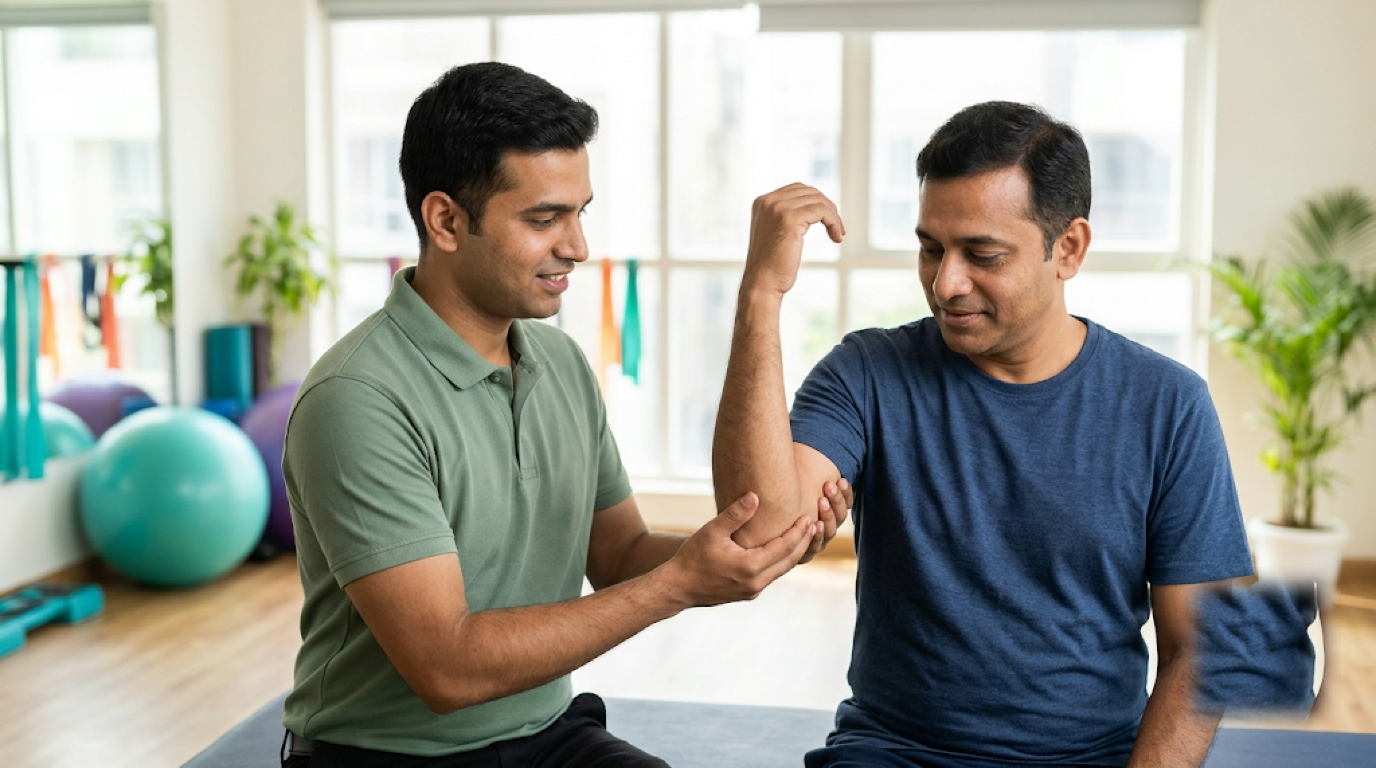
Struggling to dress or eat after an elbow fracture? Learn what to discuss with your physiotherapist and how to approach movement safely.
After an elbow fracture, everyday tasks can feel unexpectedly difficult. Bringing a spoon to your mouth, putting on a kurta or reaching your hair may take more effort than before. Stiffness can develop while the injury heals, especially after time in a cast or sling.
At The RNB Clinic in Ranchi, these everyday difficulties are useful starting points for a physiotherapy discussion. Your fracture type, treatment and healing progress help determine which movements are appropriate and how to work towards activities that matter to you.
Start with your healing instructions and daily difficulties
Before beginning or changing exercises, clarify the instructions from your treating orthopaedic team. Movement restrictions can differ depending on the fracture, surgery and any associated injuries. Permission to move the elbow does not necessarily mean it is ready for lifting, pushing or carrying.
Bring your discharge summary, available scan reports and any brace or sling instructions to your physiotherapy appointment. Explain which tasks are difficult, where you feel discomfort and whether you notice swelling, tingling or a blocked feeling. Your physiotherapist can assess movement within your restrictions and coordinate with your treating doctor when needed.
Dressing: discuss sleeves, fastenings and reaching
Dressing involves bending and straightening the elbow, turning the forearm and moving the shoulder. Tell your physiotherapist exactly where you get stuck: threading an arm through a sleeve, reaching a zip or pulling clothing over your head. Demonstrating the task, within your permitted movement, can help make advice more specific.
Loose sleeves and front-opening clothing may make dressing easier. If your treatment instructions allow, putting the affected arm into clothing first and taking it out last may reduce awkward movement. Sit down if that helps, and ask for assistance rather than forcing the elbow through a tight sleeve.
If you use a brace or sling, ask how dressing should be managed around it. Do not remove or adjust a prescribed brace unless your treating team has explained when and how to do so.
Eating: talk about bending and turning your forearm
Eating requires more than elbow bending. Turning your palm upwards helps position food or a spoon, while shoulder and wrist movement also contribute. Explain whether the difficulty is reaching your mouth, turning your hand or holding a cup comfortably.
Your physiotherapist may suggest adjusting your chair and plate position, supporting the forearm or trying a lighter utensil. Using the other hand temporarily may help you manage meals. Keep lifting restrictions in mind: a full cup or a hot cooking pot can be harder to handle safely than an empty spoon.
Agree on a movement plan and know when to seek help
Once movement is permitted, your physiotherapist can select exercises and explain their range, frequency and expected sensations. Ask them to watch you practise. Avoid forceful stretching, having someone push the elbow or adding weights without guidance.
Recovery varies, and some people have lasting movement limitations. Track practical changes, such as reaching your mouth more easily, alongside measurements of elbow movement. Tell your physiotherapist if exercise causes sharp pain, increasing swelling or symptoms that remain worse afterwards so the plan can be reviewed.
Seek urgent medical assessment for a newly cold, pale or blue hand, new or worsening numbness or weakness, or severe escalating pain. Fever with a red, hot or draining surgical wound also needs prompt medical attention. If you are attending physiotherapy in Ranchi, keep your treating hospital’s contact details available between visits.
Frequently Asked Questions
Take the next step
Ready to Start Your Treatment?
Book a consultation with our expert physiotherapists. No referral needed.
Book AppointmentRelated Articles
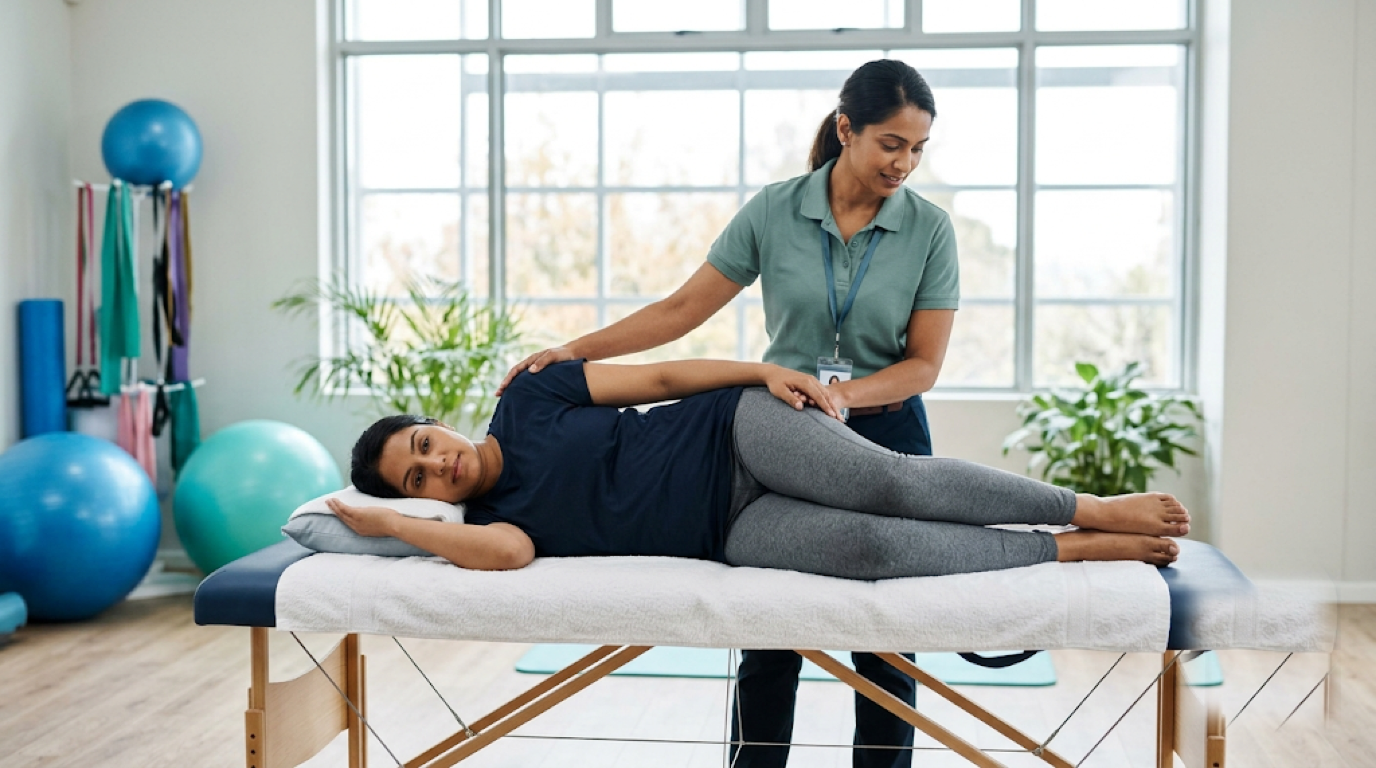
Getting Out of Bed After a Caesarean: Questions to Ask
Ask your physiotherapist how to get out of bed comfortably after a caesarean, manage strain and recognise symptoms that need medical attention.

Long COVID: Discussing Fatigue and Activity Limits
Prepare for a physiotherapy discussion about Long COVID fatigue, delayed symptom flare-ups and activity limits, with practical questions to bring.
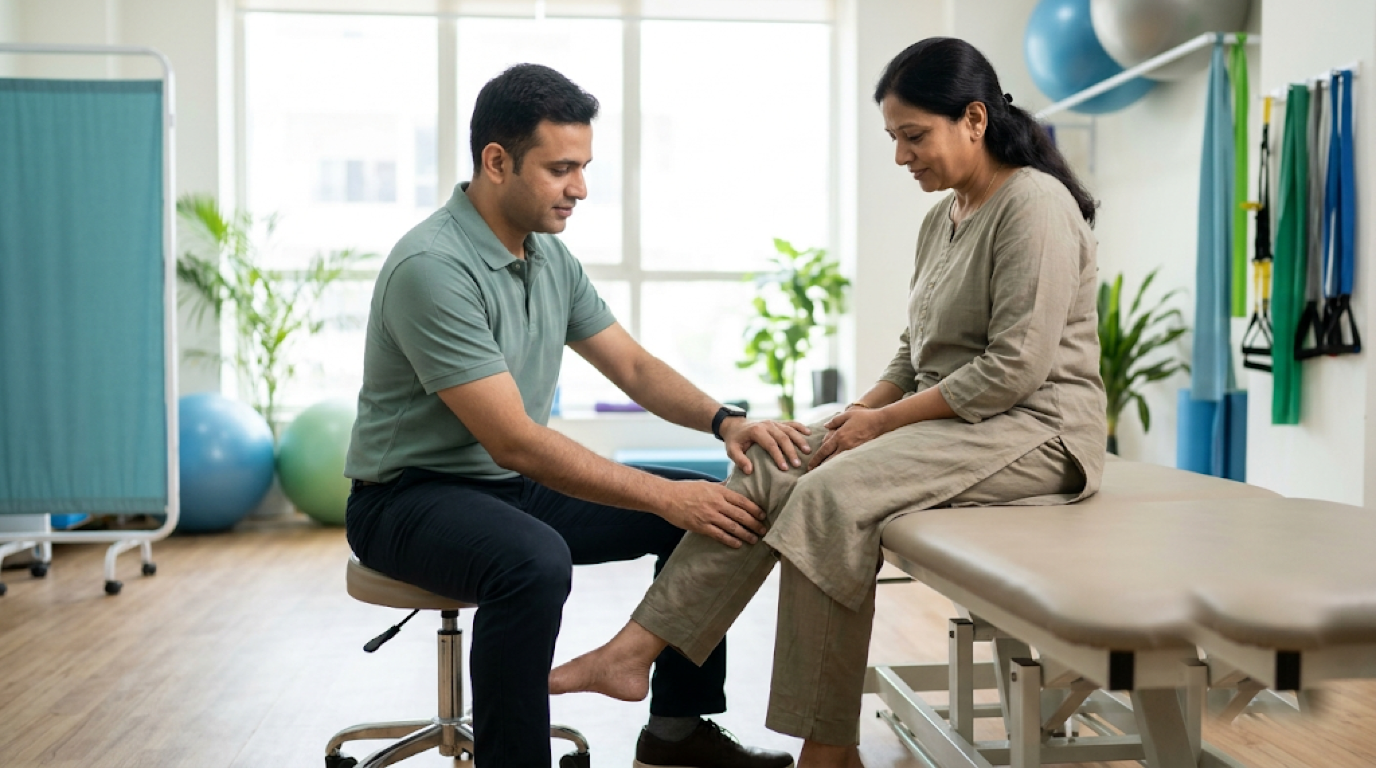
Using a Squat Toilet After Injury or Surgery
Squatting after an injury or operation can feel uncertain. Learn what to ask your physiotherapist about safety, movement and temporary toilet options.