

Feet aching after standing? Learn what flat feet may mean, what a physiotherapist can assess, and which symptoms need medical attention.
After a day of standing at work, cooking or shopping in Ranchi, your feet may feel heavy, sore or tired. You might also notice that your arches look low and wonder whether flat feet are the reason.
Flat feet are common and do not always cause problems. Tired feet can have several causes, so a useful physiotherapy appointment starts with understanding your symptoms, daily activities and what you would like to do more comfortably.
Are flat feet causing the tiredness?
Having flat feet means the arches along the inside of your feet are low or touch the ground when you stand. Many people have this foot shape without pain or difficulty walking. The appearance of your arches alone cannot explain why your feet hurt.
Long periods of standing, a sudden increase in activity, uncomfortable footwear and reduced muscle endurance may contribute to tired feet. Pain can also come from irritated joints, tendons or other tissues. Your physiotherapist can assess possible contributors rather than assuming your arches are the problem.
What to tell your physiotherapist
Explain where you feel discomfort: the heel, arch, ankle, forefoot or whole foot. Mention when it starts, whether one or both feet are affected, and whether sitting or changing shoes helps. Describe any morning pain, swelling, tingling or numbness.
Share how long you stand each day, the surfaces you stand on and any recent changes in work or exercise. Bring your usual work shoes and any insoles you use. Mention previous injuries and conditions such as diabetes or inflammatory arthritis, because these may affect assessment and advice.
Tell them if your arch has recently changed shape, particularly on one side, or if you have pain and swelling around the inside of the ankle. These changes deserve assessment rather than being dismissed as ordinary tiredness.
What an assessment and treatment plan may involve
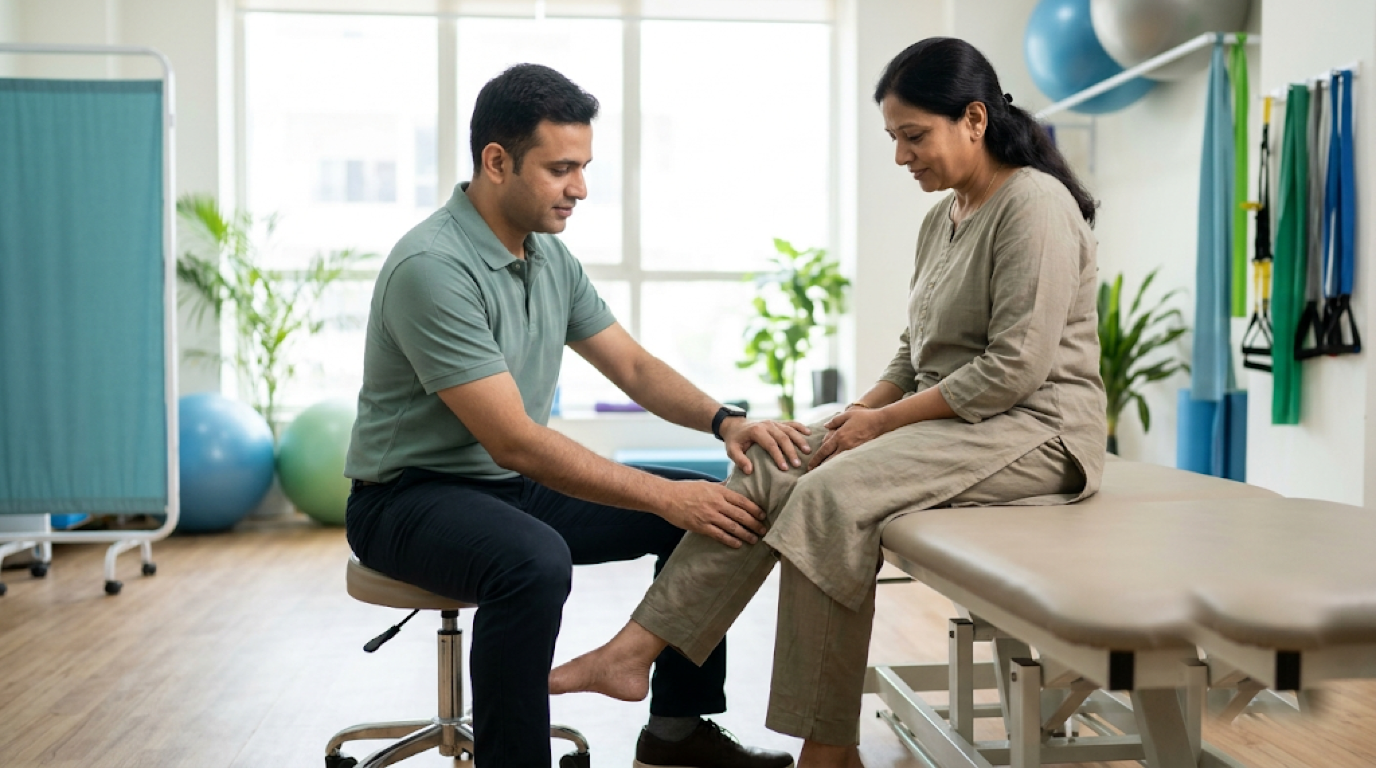
A physiotherapist may observe how you stand and walk, assess ankle movement, and check strength, balance and tender areas. They may ask you to perform movements such as a heel raise if appropriate. Scans are not routinely needed for longstanding, painless flat feet, but certain findings may warrant medical review.
Depending on the findings, a plan may include gradually progressed foot and calf strengthening, balance exercises or stretches where movement is limited. The aim is to improve comfort and your ability to manage daily activities; treatment does not necessarily need to change your arch shape.
Footwear adjustments or a trial of insoles may help some people with symptoms, but they are not necessary for everyone. Ask what an insole is intended to help, whether a simpler option is suitable, and how you will judge its benefit before spending money on custom devices.
Managing standing time and knowing when to seek help
Where possible, alternate standing with sitting or brief walking breaks. Choose shoes that fit comfortably and avoid suddenly increasing your standing or walking time. If an activity repeatedly worsens pain, adjust the amount and discuss a gradual return with your physiotherapist.
Agree on practical goals, such as getting through a work shift with less discomfort, and a time to review progress. At The RNB Clinic in Ranchi, useful questions to bring include: “What might be contributing to my symptoms?” and “How should I adjust my exercises if they hurt?”
Seek prompt medical attention for a hot, red or markedly swollen foot, especially with fever; a new wound if you have diabetes; or severe pain or inability to bear weight after an injury. A suddenly cold, pale or numb foot needs urgent medical attention. These symptoms should not be assumed to come from flat feet.
Frequently Asked Questions
Take the next step
Ready to Start Your Treatment?
Book a consultation with our expert physiotherapists. No referral needed.
Book AppointmentRelated Articles

Getting Out of Bed After a Caesarean: Questions to Ask
Ask your physiotherapist how to get out of bed comfortably after a caesarean, manage strain and recognise symptoms that need medical attention.

Long COVID: Discussing Fatigue and Activity Limits
Prepare for a physiotherapy discussion about Long COVID fatigue, delayed symptom flare-ups and activity limits, with practical questions to bring.
Using a Squat Toilet After Injury or Surgery
Squatting after an injury or operation can feel uncertain. Learn what to ask your physiotherapist about safety, movement and temporary toilet options.