
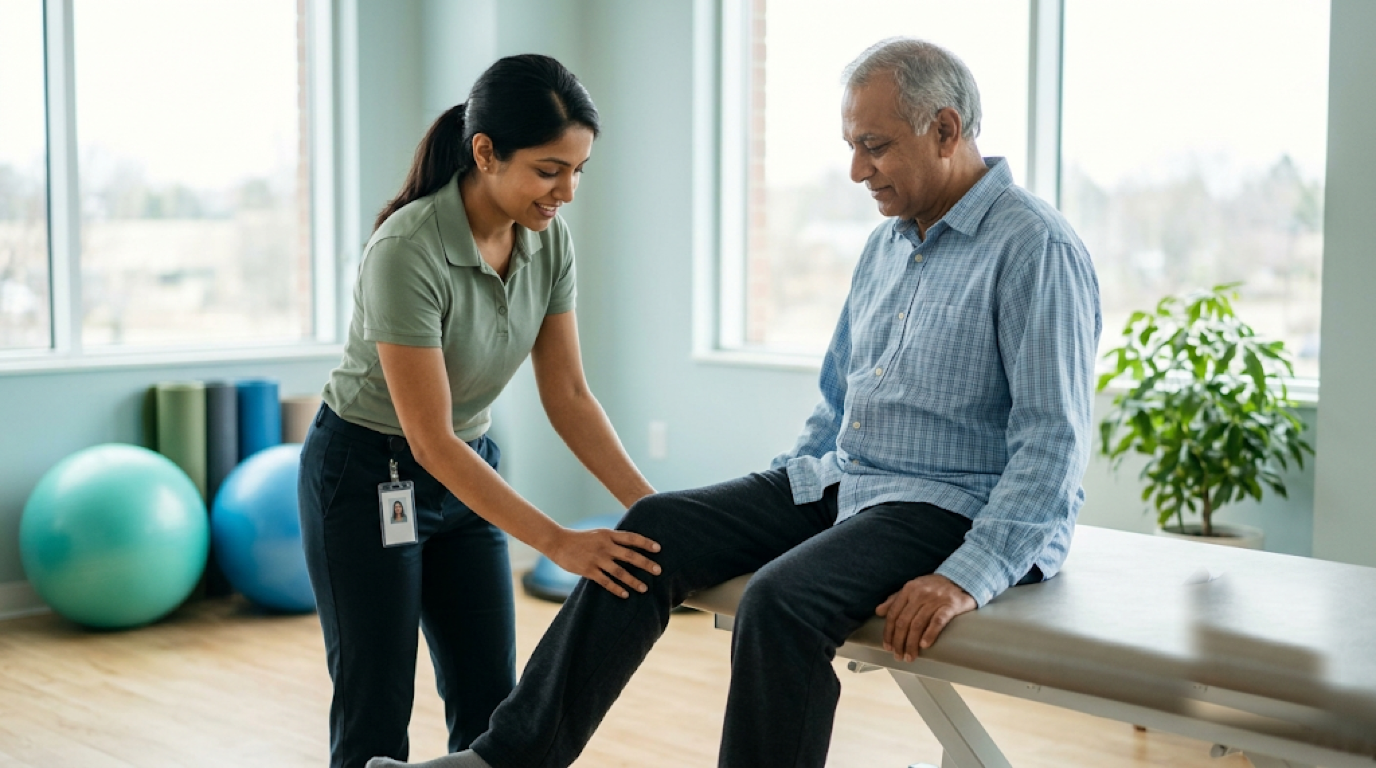
A pacemaker need not rule out physiotherapy. Learn what to share before treatment and which equipment needs extra precautions.
If you have a pacemaker, it is understandable to wonder whether physiotherapy is safe. Many people can receive exercise-based rehabilitation and hands-on treatment, but your physiotherapist needs to know about your device before planning care.
Whether you visit The RNB Clinic in Ranchi for knee pain, back discomfort or recovery after an injury, mention your pacemaker when booking and again before treatment begins. This helps your therapist choose suitable techniques and identify when advice from your cardiac device team is needed.
Share your device details and implantation history
Bring your pacemaker identification card if you have it. Tell your physiotherapist when the device was implanted or replaced, where it sits and which hospital or cardiac device clinic follows your care. If you are unsure whether you have a pacemaker, an implantable defibrillator (ICD) or a combined device, share the card rather than guessing.
Explain why you needed the device, any other heart conditions and whether you have had recent device checks or concerns. Bring your discharge instructions and any restrictions from your cardiologist, especially after a recent procedure.
Mention symptoms, medicines and recent changes
Tell your physiotherapist about dizziness, fainting, chest discomfort, unusual breathlessness, palpitations or a recent drop in your ability to walk or exercise. New or worsening symptoms may need medical assessment before treatment continues; they should not simply be treated as poor fitness.
Share your medicine list, including blood thinners and medicines that affect heart rate or blood pressure. Also mention falls, swelling, or pain around the implant. Redness, warmth, discharge or fever after implantation needs prompt medical advice.
Ask about electrical treatments before they start
Some physiotherapy equipment can interfere with an implanted cardiac device. Tell your therapist about your pacemaker before TENS, interferential therapy or electrical muscle stimulation is considered. Safety depends on the device, treatment type and electrode position; these treatments should not begin without checking device-specific guidance and obtaining cardiac device team advice where needed.
Short-wave and microwave diathermy are generally avoided in people with pacemakers because of potentially serious interference or damage. Therapeutic ultrasound is a different treatment, but it should not be applied directly over the implanted device. Your therapist can often choose exercise or suitable hands-on options instead.
Plan movement around your recovery and heart health
After implantation, follow your implanting team's instructions about lifting, pushing, pulling and movements of the arm on the device side. Restrictions vary with the procedure and healing stage. Avoid pressure or massage directly over a healing implant site, and do not force shoulder stretches or keep the arm completely still unless instructed.
Once appropriate for your recovery, physiotherapy may include gentle mobility, strengthening, balance work and gradual activity. Heart rate alone may not be a reliable guide to effort because of device settings or medicines. Your therapist can also monitor symptoms and perceived exertion. Stop exercise for concerning symptoms; severe or persistent chest pain, fainting or severe breathlessness requires urgent medical help.
Frequently Asked Questions
Take the next step
Ready to Start Your Treatment?
Book a consultation with our expert physiotherapists. No referral needed.
Book AppointmentRelated Articles
Getting Out of Bed After a Caesarean: Questions to Ask
Ask your physiotherapist how to get out of bed comfortably after a caesarean, manage strain and recognise symptoms that need medical attention.

Long COVID: Discussing Fatigue and Activity Limits
Prepare for a physiotherapy discussion about Long COVID fatigue, delayed symptom flare-ups and activity limits, with practical questions to bring.
Using a Squat Toilet After Injury or Surgery
Squatting after an injury or operation can feel uncertain. Learn what to ask your physiotherapist about safety, movement and temporary toilet options.